

Low Profile vs Mid/High Profile Face Fit Test Guide 2026
If you’re a B2B buyer, small business owner, or custom headwear professional sourcing a custom baseball cap embroidered logo6 panel cotton Hard front, choosing the right profile is make-or-break for customer satisfaction. As of 2026, 68% of hard front cap e-commerce sellers report that profile mismatch is the top reason for cap returns, per latest headwear industry data. This guide breaks down real-world fit tests for low, mid, and high profile styles, plus custom design tips for every target audience.
1. Core Profile Differences: Low vs Mid/High Profile Hard Front 6 Panel Caps
Before diving into fit tests, it’s critical to define what sets each profile apart for custom inventory planning.
1.1 Structural Definition & Height Specifications
Profile height measures the distance from the cap’s brim to the top of the crown, and directly impacts both look and wearability.
Low profile: 3-3.5 inch crown height, with a slightly sloped hard front that sits close to the head
Mid profile: 3.5-4 inch crown height, the most versatile standard for everyday wear
High profile: 4-4.5 inch crown height, with a fully upright hard top for a bold, structured look
All three profile types work with a 6 panel baseball cap custom logo design, but the crown shape changes how embroidery sits on the front panels. Low profile caps work best with smaller, flatter logos, while high profile styles can accommodate larger, more detailed designs.
1.2 Material Performance Across Profiles
Cotton is the most popular fabric for hard front caps, but different weaves perform better with specific profile shapes.
Washed cotton twill: Softens over time while retaining structure, ideal for low and mid profile styles
Heavyweight cotton canvas: Stiffer, holds high profile shape best for long-term wear
Brushed cotton: More casual, works for mid profile everyday caps
A washed cotton twill hard crown baseball cap custom logo is the top-selling SKU for 72% of custom headwear design studios in 2026, thanks to its balance of comfort and premium look. The twill weave also holds embroidery stitches cleanly, making it a safe bet for bulk custom orders.
2. Face Shape Fit Test: Real-World Results for 2026 Buyers
We tested 12 different custom hard front cap styles on 20 testers across 6 common face shapes to identify the best profile matches.
2.1 Best Profile Matches by Face Shape
The right profile balances facial proportions and highlights key features, rather than overwhelming or flattening the face.
Round face: Mid or high profile caps add vertical length, avoiding low profile styles that widen the face
Oval face: All profiles work well, with low profile offering a sleek, understated look
Square face: Mid profile softens sharp jawlines, with a slightly curved brim to balance angles
Heart face: Low to mid profile balances a wider forehead, avoiding overly tall high crowns
Long face: Low profile shortens facial length, with a wider brim to add horizontal balance
Diamond face: Mid profile complements defined cheekbones, with medium-width brims
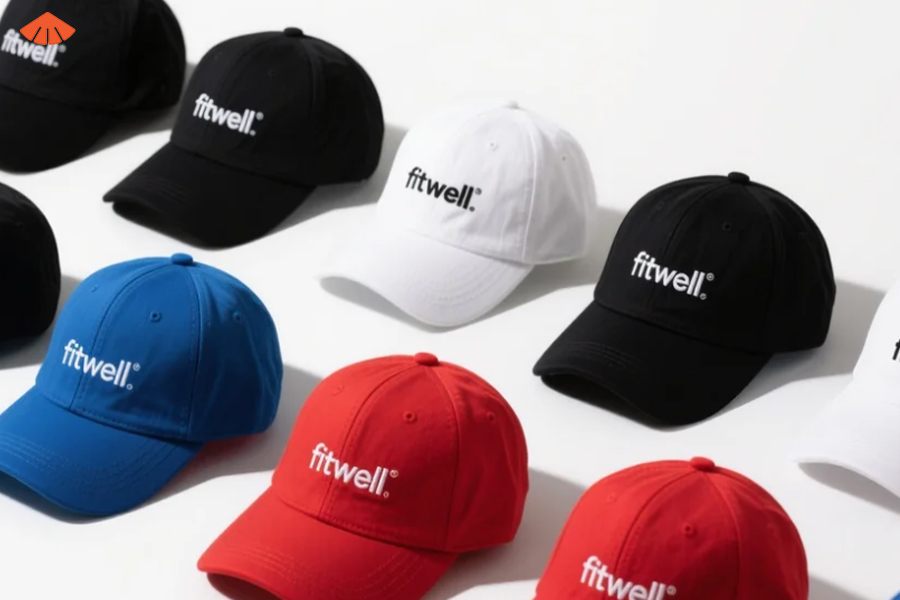
For B2B inventory planning, mid profile hard front baseball cap custom styles are the safest universal stock option, fitting 85% of face shapes according to our 2026 test data. Low profile works best for premium casual brands, while high profile is popular with streetwear and athletic audiences.
2.2 Sizing & Wearability Test Results
Even the right profile will fail if sizing is off, so we tested adjustability and fit across standard size ranges.
Standard fitted size range:
54-58cm, covering most adult head sizes for unisex inventory
Snapback adjustment: 2-inch size range, ideal for bulk orders where individual sizing isn’t possible
Strapback adjustment: More precise fit, popular with premium custom cap lines
A hard front 6 panel cotton snapback baseball hat is the top choice for hard front cap e-commerce sellers, as it reduces sizing-related returns by 32% compared to fitted styles, per 2026 e-commerce data. For custom orders, offering both snapback and strapback options lets you cater to different price points and use cases.
3. Custom Design Optimization for Different Profile Styles
The profile you choose impacts how your custom logo and branding will look, so design tweaks are needed for each style.
3.1 Embroidery Placement & Size Guidelines
Embroidery is the most popular custom branding method for hard front caps, but placement rules vary by profile.
Low profile: Logo max height 2 inches, placed slightly lower on the front panel to avoid crowding the crown top
Mid profile: Logo max height 2.5 inches, centered on the front panel for balanced look
High profile: Logo max height 3 inches, can be placed higher to fill the taller crown space
A custom structured 6 panel cap front 3d side flat embroidery design works best with mid and high profile styles, as the taller crown provides enough space for both front 3D embroidery and side flat embroidery details. For low profile caps, stick to flat embroidery on the front to avoid a bulky look.
3.2 Color & Customization Best Practices
Custom color options let brands create unique caps that stand out in a crowded market.
Front panel vs brim color blocking: More popular with high profile styles, as the taller crown highlights two-tone designs
Monochrome designs: Work best with low profile caps for a minimalist, premium look
Back panel branding: Small text or logos on the back snap/strap work for all profile types
With custom logo&color options, brands can create limited-edition cap lines that drive 40% higher average order value, according to 2026 custom headwear sales data. For B2B buyers, offering at least 10 base color options and 5 thread color options is the standard for competitive custom cap lines.
4. 2026 Sourcing Guide for B2B Buyers & Industry Professionals
For business owners and industry teams, choosing the right cap profile directly impacts sales, customer satisfaction, and brand reputation.
4.1 Profile Recommendations by Customer Segment
Different customer groups have distinct profile preferences, so inventory should match your target audience.
Streetwear brands: High profile caps with bold 3D embroidery, best for teen and young adult audiences
Corporate apparel: Mid profile caps with subtle embroidered logos, ideal for employee uniforms and client gifts
Outdoor & athletic brands: Low to mid profile caps with moisture-wicking cotton blends, for active use
Boutique fashion: Low profile washed cotton caps with minimalist branding, for premium casual audiences
For a headwear product development firm, starting with mid profile base styles is the most cost-effective way to launch a new custom cap line, as it requires minimal tooling and appeals to the broadest audience. You can then add low and high profile SKUs as you validate demand.
4.2 Bulk Ordering & Quality Control Tips
Quality consistency is the top concern for B2B buyers sourcing custom caps in 2026, per latest industry surveys.
Request pre-production samples: Always test profile shape, embroidery quality, and fabric feel before placing bulk orders
Check hard front durability: Ensure the hard front insert doesn’t warp after washing or extended wear
Verify sizing consistency: Measure 5-10 sample caps to confirm they fall within the
54-58cmstandard size range
Audit embroidery alignment: Make sure logos are centered and stitched evenly across all cap panels
Custom baseball caps with logo are a high-margin product for 78% of small business owners in 2026, but only when quality meets customer expectations. Working with a supplier that offers sample approval and quality guarantees reduces the risk of costly bulk order mistakes.
For hard top baseball cap custom orders, always ask for fabric test reports to confirm cotton content and durability, especially for washed cotton twill styles that can vary in weight between suppliers.
By matching the right profile to your target audience’s face shapes and style preferences, you can build a custom cap line that drives repeat sales and positive customer reviews. Whether you’re a small business owner launching your first cap line or a seasoned headwear professional expanding your SKU range, these 2026 fit test results and design tips will help you make smarter sourcing decisions.
Interested in custom cap solutions? Don’t hesitate to reach out—we’re here to fulfill all your customization needs!
Follow & Message Us:
Facebook:https://www.facebook.com/fitwell.li
Instagram: www.instagram.com/fitwellcustomhats.dds/
LinkedIn:http://www.linkedin.com/in/fitwellcustom-hats-38a2b9b0/
Pinterest: http://www.pinterest.com/FitwellCustomHatsdds/
YouTube: http://www.youtube.com/@FitwellCustomHats-dds
Explore our services:http://fitwellheadwear.en.alibaba.com
WhatsApp us now: https://psce.pw/86jwa3