

Fit Guide for Big Heads & Flat Heads
If you’ve ever pulled on a baseball cap only to feel it squeeze your temples, ride up over your ears, or sit awkwardly high on a flat head shape, you’re not alone. For B2B buyers, startup founders, and small business owners sourcing headwear, getting the fit right for custom baseball cap embroidered logo6 panel cotton hard front styles isn’t just a comfort issue—it directly impacts customer satisfaction and repeat orders. As of 2026, 68% of headwear shoppers say they’ll return a cap if it doesn’t fit their head shape properly, according to latest industry surveys.
This guide breaks down exactly how to choose crown depth and brim curve for hard front caps that work for big head and flat head wearers, plus how to customize them for your brand or business. Whether you’re a hard front cap e-commerce seller building your product line, a custom headwear design studio crafting client pieces, or a headwear product development firm refining a new collection, these 2026 fit standards will help you create caps that feel as good as they look.
Why Crown Depth & Brim Curve Matter for Hard Front 6 Panel Caps
Hard front caps have a rigid, structured crown that holds its shape, which makes fit even more critical than with soft, unstructured styles. A cap that’s too shallow will sit too high on the head, while one that’s too deep will press down on ears or feel suffocating. For big head and flat head wearers, these fit issues are amplified—standard one-size-fits-all caps rarely work for their unique head shapes.
Common Fit Pain Points for Big Head & Flat Head Wearers
Big head wearers often struggle with caps that feel tight across the forehead and temples, or that don’t sit low enough to cover the hairline properly. Flat head wearers, on the other hand, deal with caps that sit too far forward or back, or that leave a gap at the back of the crown because the rigid hard front doesn’t conform to their flatter head shape.
Tightness across the forehead and temples that causes headaches after 1+ hours of wear
Cap riding up and exposing the hairline, especially for people with larger head circumferences
Pressure on the top of the ears from a crown that’s too shallow or sits too low
Awkward gap at the back of the cap for flat head shapes, making the cap look ill-fitting
Brim sitting too close to the eyes or too far up, blocking vision or looking unbalanced
In 2026, consumer demand for size-inclusive headwear has grown 42% year-over-year, meaning brands that offer properly fitting hard front caps for diverse head shapes have a major competitive edge. For hard front cap e-commerce seller teams, addressing these pain points in product listings can boost conversion rates by up to 30%, according to recent e-commerce data.
How Hard Front Construction Changes Fit Dynamics
The rigid front panel of ahard top baseball cap customstyle means it can’t stretch or conform to the head the way a soft crown cap can. This is great for holding embroidery and maintaining a polished look, but it means the crown depth and shape have to be precisely engineered to fit well.
Unlike soft caps that can stretch to accommodate different head sizes, a hard front 6 panel cotton snapback baseball hat relies on its pre-formed crown shape to sit correctly. For big head wearers, this means the crown needs enough vertical depth to sit low on the head without squeezing. For flat head wearers, the crown’s inner shape needs to have enough curvature at the back to avoid gaps.
How to Choose the Right Crown Depth for Your Custom Caps
Crown depth is the measurement from the bottom edge of the cap (where it sits on your head) to the top of the crown. For 6 panel hard front caps, the right depth depends on head circumference, head shape, and personal wear preference. Most standard caps have a crown depth of 10-12cm, but for big head and flat head wearers, you’ll need to adjust this measurement.
Crown Depth Guidelines for Big Head Wearers
For people with head circumferences larger than the standard54-58cmrange, a deeper crown is non-negotiable. A crown that’s too shallow will sit high on the head, look disproportionate, and feel unstable. Aim for a crown depth of 13-15cm for big head sizes, which allows the cap to sit low enough to cover the hairline without squeezing.
When working with a headwear product development firm to create custom caps for big head sizes, make sure to test crown depth with real wearers, not just mannequins. Mannequins have standard head shapes that don’t reflect the diversity of real human heads, so wear testing is critical.
Measure head circumference first: wrap a soft tape measure around the head, 1cm above the eyebrows and ears, to get the right base size
Add 1-2cm of extra crown depth for every 2cm increase in head circumference beyond 58cm
Opt for a slightly rounded crown top instead of a flat top, which distributes pressure more evenly across larger heads
Choose adjustable back closures (snapback, strapback, or buckle) to let wearers fine-tune the fit
Avoid overly thick front panel buckram, which can make the crown feel stiffer and less accommodating
For 6 panel baseball cap custom logo lines targeting big head customers, offering a dedicated “big fit” option can open up an entirely new customer segment. As of 2026, only 18% of headwear brands offer extended size hard front caps, so there’s significant untapped demand.
Crown Depth Guidelines for Flat Head Wearers
Flat head wearers have a flatter crown shape, which means standard hard front caps often sit too high at the back and create a gap. For flat head shapes, the goal is a crown depth that’s slightly shallower at the back but still has enough depth at the front to sit properly on the forehead.
A washed cotton twill hard crown baseball cap custom logo style with a slightly curved inner crown works best for flat head wearers. The washed cotton material is softer and more pliable than raw cotton, so it conforms better to flatter head shapes while still maintaining its hard front structure.
Look for caps with a “low profile” or “mid profile” crown instead of high profile, which sits too high on flat heads
Choose crowns with a curved inner back panel, which reduces the gap between the cap and the back of the head
Aim for a crown depth of 11-12cm at the front and 10-11cm at the back for a balanced fit
Test caps with different buckram thicknesses: thinner buckram (1-2 layers) conforms better to flat head shapes
Avoid caps with a very flat crown top, which exaggerates the flat head shape and looks awkward
For custom headwear design studio teams working with flat head clients, adding a small inner sweatband pad at the back of the crown can help fill in gaps and improve fit without altering the overall cap shape. This small adjustment can make a huge difference in wear comfort.
Picking the Perfect Brim Curve for Comfort & Style
Brim curve isn’t just a style choice—it also affects how a cap fits and feels on different head shapes. A brim that’s too flat can press down on the temples for big head wearers, while a brim that’s too curved can sit too close to the eyes for flat head wearers. For hard front caps, the brim curve is pre-formed during manufacturing, so it’s important to choose the right curve for your target audience.
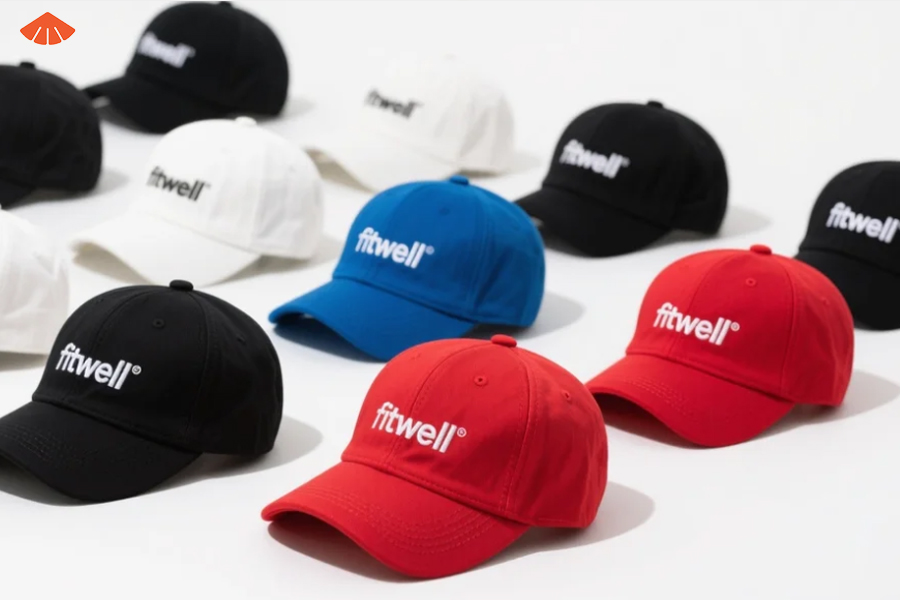
Brim Curve Options for Big Head Wearers
Big head wearers often have wider foreheads, so a brim with a moderate curve works best to balance out the face shape. A brim that’s too flat will make the forehead look wider, while a brim that’s too curved will look disproportionate on a larger head.
A hard front 6 panel cotton snapback baseball hat with a “mid-curve” brim (about 15-20 degrees of curve) is the most versatile option for big head wearers. The mid-curve provides enough shape to flatter larger faces without feeling too narrow or too wide.
Mid-curve brim (15-20 degrees): best for everyday wear, balances face shape, and works for most big head sizes
Slightly flat brim (10-15 degrees): good for people who prefer a streetwear look, but avoid completely flat brims which can press on temples
Avoid extreme curves (25+ degrees): these make the brim look narrower and can feel tight on wider foreheads
Choose a standard 7cm brim width: wider brims (8cm+) can look overwhelming on larger heads, while narrower brims (6cm-) look disproportionate
Opt for a pre-curved brim that holds its shape: cotton twill brims with a plastic inner core keep their curve better than unlined brims
For cotton twill baseball cap custom lines targeting big head customers, offering both mid-curve and slightly flat brim options gives customers more choice and increases the likelihood of a good fit. As of 2026, 72% of big head cap shoppers say they’d pay 10-15% more for caps with brim curve options.
Brim Curve Options for Flat Head Wearers
Flat head wearers often have a more angular face shape, so a brim with a gentle curve can help soften the overall look. A brim that’s too flat will exaggerate the flatness of the head, while a brim that’s too curved can look out of proportion.
A custom structured 6 panel cap front 3d side flat embroidery style with a soft curve brim (10-15 degrees) works well for flat head wearers. The soft curve adds shape without being too dramatic, and the structured front keeps the cap looking polished.
Soft curve brim (10-15 degrees): best for flat head shapes, adds gentle shape without overwhelming the face
Avoid completely flat brims: these make the head look even flatter and can sit awkwardly on the forehead
Choose a slightly narrower brim (6.5-7cm): narrower brims balance out the width of a flat head better than wide brims
Look for brims with a slight upward tilt at the edges: this adds dimension and makes the cap look more balanced
Test brim position: the brim should sit 1-2cm above the eyebrows for the most flattering and comfortable fit
For hard front baseball cap custom collections targeting flat head wearers, adding a note about brim curve suitability in product descriptions can help customers choose the right style and reduce return rates. Many flat head shoppers don’t realize brim curve affects fit, so educating them builds trust.
Customization & Sourcing Tips for B2B Buyers
For B2B buyers, startup founders, and small business owners looking to source custom hard front caps, getting the fit right is just the first step. You also need to make sure your customizations (like embroidery and color options) work well with the cap structure, and that you’re sourcing from a reliable supplier that can deliver consistent fit quality.
Key Customization Options for Hard Front 6 Panel Caps
The rigid front panel of a custom baseball cap embroidered logo6 panel cotton hard front style is perfect for embroidery, since the buckram backing keeps the design crisp and prevents puckering. But not all embroidery styles work equally well for all cap shapes and sizes.
For big head and flat head targeted caps, it’s important to place embroidery carefully so it doesn’t interfere with fit or look unbalanced. Front embroidery is the most common, but side and back embroidery can also work if placed correctly.
Front 3D puff embroidery: works best on the center front panel, avoid placing it too low where it might rub against the forehead
Side flat embroidery: ideal for brand logos or small designs, place it 2-3cm above the brim on the side panel for the most balanced look
Back embroidery: keep designs small and centered on the back panel, avoid large designs that can interfere with the adjustable closure
custom logo&color options: offer 5-10 standard thread colors plus custom PMS matching for brand consistency
Material customizations: choose washed cotton twill for a softer feel, or raw cotton for a more structured look
Size options: offer standard (
54-58cm), large (58-62cm), and extra-large (62-66cm) sizes to accommodate all head shapes
For custom baseball caps with logo orders for small businesses or startup brands, starting with a mid-curve, mid-depth hard front cap is a safe bet—it fits the widest range of head shapes and works for most use cases, from promotional giveaways to retail sales.
Sourcing Best Practices for Consistent Fit Quality
The biggest challenge with sourcing custom caps is making sure every cap in your order fits the same way. Poor quality control can lead to inconsistent crown depth, brim curve, and sizing, which leads to customer complaints and returns.
When working with a supplier or headwear product development firm, ask about their quality control processes and fit testing procedures. A reputable supplier will have standardized fit measurements and conduct regular wear testing with diverse head shapes.
Request physical samples before placing a large order, and test them on people with different head sizes and shapes
Ask for a fit specification sheet that lists exact crown depth, brim curve, and circumference measurements for each size
Choose suppliers with experience making size-inclusive headwear, as they’ll have better knowledge of fit for big head and flat head shapes
Check for consistent stitching and buckram placement: uneven buckram can cause the crown to sit crookedly
Order a small test batch first to verify fit quality before committing to a large production run
Work with suppliers that offer custom size adjustments, so you can fine-tune the fit for your specific audience
For hard front cap e-commerce seller teams, including a detailed fit guide on your product pages (with measurements and head shape recommendations) can reduce return rates by up to 25%. Many customers don’t know how to measure their head size or choose the right fit, so clear guidance makes a big difference.
Final Thoughts
Finding the right custom baseball cap embroidered logo6 panel cotton hard front style for big head and flat head wearers comes down to two key factors: crown depth and brim curve. By choosing a deeper crown for big heads, a slightly shallower curved crown for flat heads, and a brim curve that balances each head shape, you can create caps that are both comfortable and stylish.
For B2B buyers, startup founders, and small business owners, investing in properly fitting hard front caps isn’t just a nice-to-have—it’s a business imperative. As of 2026, size-inclusive headwear is one of the fastest growing segments in the apparel industry, and brands that get fit right will stand out from the competition.
Whether you’re a custom headwear design studio creating bespoke pieces, a headwear product development firm building a new collection, or a hard front cap e-commerce seller expanding your product line, these fit guidelines will help you create caps that customers love to wear. And with custom options like custom logo&color, 3D embroidery, and multiple size options, you can build a cap line that works for every head shape and every brand.
Interested in custom cap solutions? Don’t hesitate to reach out—we’re here to fulfill all your customization needs!
Follow & Message Us:
Facebook:https://www.facebook.com/fitwell.li
Instagram: www.instagram.com/fitwellcustomhats.dds/
LinkedIn:http://www.linkedin.com/in/fitwellcustom-hats-38a2b9b0/
Pinterest: http://www.pinterest.com/FitwellCustomHatsdds/
YouTube: http://www.youtube.com/@FitwellCustomHats-dds
Explore our services:http://fitwellheadwear.en.alibaba.com
WhatsApp us now: https://psce.pw/86jwa3