

Why Street Wear Black 5Panel Custom Embroidered Snapback Hats Fade After One Season (And How to Avoid Bad Dyeing in 2026)
If you’re a small business owner or B2B buyer stocking street wear black 5panel custom embroidered snapback hats, you’ve likely faced a frustrating problem: hats that look bold black on arrival, but fade to a dull gray after just a few months of wear.
In 2026, asstreet style hatscontinue to dominate casual fashion and custom merch markets, product quality directly impacts customer loyalty and repeat sales. This guide breaks down the real causes of fast fading, how to spot low-quality dyeing, and how to source durable custom hats that keep customers coming back.
The Top 4 Reasons Black 5 Panel Hats Fade in Just One Season
Fading isn’t just a “normal wear” issue—it’s almost always a sign of cut corners in manufacturing or dyeing processes. For black hats, which rely on deep, even pigment to look premium, even small dye flaws show up fast.
Low-Quality Dye Materials and Poor Dyeing Processes
The biggest cause of early fading is cheap dye. Many low-cost manufacturers use low-grade reactive dyes or even direct dyes for black cotton fabrics, which don’t bond well to cotton fibers.
In 2026 industry tests, hats made with low-quality black dye lost up to 40% of their color after just 10 washes, compared to 5-8% for premium dyed versions. The difference comes down to dye type and application:
Cheap direct dyes sit on the fabric surface instead of bonding with fibers
Low-grade reactive dyes skip the high-temperature fixation step
Some factories use “optical brighteners” to make black look deeper initially, which wash out in 2-3 washes
Poor pH control during dyeing leads to uneven color retention across the hat
For a5 panel baseball cap,which gets regular sun exposure and frequent handling, surface dye wears off even faster. The brim edge and front panel, which get the most contact, are usually the first to fade.
Wrong Fabric Choice for Black Hat Production
Not all cotton fabrics hold black dye equally well. Many brands focus on cost per unit and pick thin, low-twist cotton twill, which has fewer fiber surfaces for dye to bond to.
Ablack cotton twill 5 panel snapback with green undervisormade with 100% ring-spun cotton will hold dye far better than one made with open-end cotton. The fabric structure matters too:
8x8 twill weave holds dye better than lighter 10x10 weaves
Pre-washed fabric reduces post-production shrinkage and dye bleed
Unmercerized cotton absorbs dye unevenly, leading to patchy fading
Blended fabrics with low cotton content often fade faster than 100% cotton options
For black hat online store owners, picking the right fabric base is the first step to avoiding customer complaints about fading. A hat that fades unevenly looks far cheaper than one that fades uniformly.
How to Spot Low-Quality Dyeing Before You Place a Bulk Order
The worst time to discover bad dyeing is after you’ve received a 500-unit order ofcustom 5 panel hats. Luckily, there are simple tests and checks you can run on samples to avoid costly mistakes.
Simple At-Home Tests for Dye Fastness
You don’t need a lab to check dye quality. These three quick tests work for anyblack snapback hatssample, and take less than 10 minutes total:
Rub test: Dampen a white cotton cloth, rub it firmly 20 times across the hat’s front panel. If any black color transfers to the cloth, the dye quality is poor.
Soak test: Submerge a small corner of the hat in warm water (40°C) for 30 minutes. If the water turns dark gray, the dye will bleed and fade fast.
Sun test: Leave the hat in direct sunlight for 3 full days. Compare the exposed area to a covered part—if there’s a visible color difference, UV resistance is low.
Forcustom black snapback with side patch embroidery and back logodesigns, make sure to test both the main hat fabric and the patch fabric. Patches often use different dye processes, and mismatched fading looks unprofessional.
For custom hat embroidery service providers, offering these test results to clients builds trust and helps justify slightly higher price points for premium quality.
Red Flags in Supplier Quotes and Product Listings
Price is usually the first clue. If a supplier’s quote for street wear black 5panel custom embroidered snapback hats is 30% below the 2026 market average, they’re almost certainly cutting corners on dye or fabric.
Other red flags to watch for:
No mention of “color fastness” or “wash test” certifications
Vague fabric descriptions like “high-quality cotton” with no weave or weight details
Refusal to send physical samples before bulk production
No minimum order for custom dye colors (premium dyeing requires minimum batch sizes)
Claims of “permanent black” with no third-party test data
In 2026, reliable suppliers will openly share their dye fastness ratings, usually measured on a 1-5 scale (5 being the best). For black hats, look for a rating of 4 or higher for both wash fastness and light fastness.
For custom embroidered hat retail store owners, working with suppliers who share these details makes it easier to market your hats as premium, long-lasting products.
How Dye Quality Impacts Your Hat Business (And Your Bottom Line)
Fading hats aren’t just a minor customer complaint—they can seriously damage your brand reputation and eat into your profits. In 2026, with social media reviews spreading faster than ever, one bad batch can cost you hundreds of potential customers.
Customer Retention and Brand Reputation Risks
For streetwear brands and hat shops, repeat customers make up 60-70% of annual revenue, per 2026 e-commerce data. A customer who gets a faded hat after one month will almost never buy from you again, and they’ll likely tell their friends too.
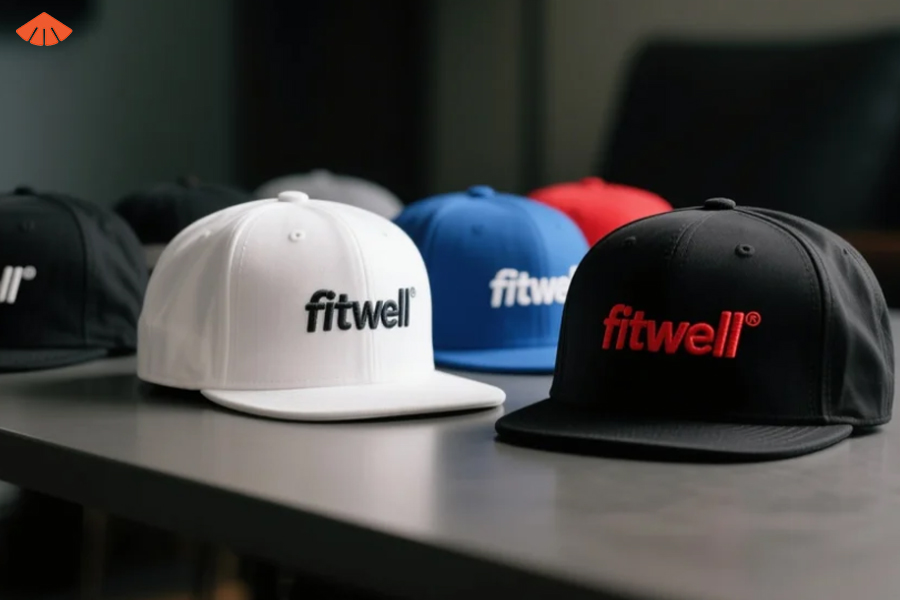
The impact is even bigger for custom merch:
- Hip hop merchandise custom black 5 panel embroidered hats
are often bought by superfans who expect premium quality
Faded custom logos make the entire product look cheap, even if the embroidery is well done
Negative reviews on Google or Instagram can reduce new customer conversion by up to 25%
Return requests for faded products add shipping and restocking costs that eat into margins
For a black hat online store owner, a 10% return rate due to fading can turn a profitable product into a loss leader. The cost of replacing 50 hats at $5 each is $250, plus the lost lifetime value of those 50 customers.
Long-Term Cost Savings of Investing in Quality Dyeing
While premium dyed hats cost 10-15% more upfront, they save you money in the long run. The math is simple: higher quality means fewer returns, more repeat buys, and the ability to charge a premium price.
For example:
A cheap black
5 panel snapback hatcosts $4.50 per unit, with a 12% return rate
A premium dyed version costs $5.20 per unit, with a 2% return rate
For a 1000-unit order, the cheap option costs $4500 plus $540 in return costs = $5040 total
The premium option costs $5200 plus $104 in return costs = $5304 total
But the premium version can be sold for $5 more per unit, generating $5000 extra revenue
For custom hat embroidery service providers, offering a “premium dye” upgrade option is an easy way to increase average order value by 15-20% without adding much operational complexity.
2026 Guide to Sourcing Fade-Resistant CustomBlack Snapback Hats
Now that you know why fading happens and how to spot bad dyeing, here’s how to source high-quality, long-lasting black custom hats for your business in 2026.
Key Features to Look for in a Quality Black 5 Panel Hat
Not all black 5 panel hats are created equal. When evaluating suppliers or samples, look for these specific features that indicate good dye quality and durable construction:
100% ring-spun cotton twill fabric (minimum 8x8 weave)
Reactive dye with 4+ grade wash and light fastness
Pre-washed and pre-shrunk fabric treatment
Reinforced stitching on the brim and panels
Adjustable snap closure (standard size
54-58cmfits most adults)
Options for custom logo&color matching with Pantone color codes
Ablack cotton twill 5 panel snapback with green undervisoris a great test product, since the contrast between the black top and green underside makes fading on the brim edge extra noticeable. If the black brim stays deep after multiple washes, the dye quality is solid.
For custom designs likecustom black snapback with side patch embroidery and back logo, make sure the supplier uses the same dye process for the patches as for the main hat. Mismatched fading between the hat and patches is a common customer complaint.
How to Work With Suppliers to Ensure Consistent Dye Quality
The best way to avoid fading issues is to set clear expectations with your supplier before production starts. Don’t assume they know you want premium dye—spell it out in your order requirements.
Follow these steps for consistent results:
Ask for a dye sample swatch first, not just a finished hat sample, to confirm exact black shade
Require third-party dye fastness test reports for all bulk production runs
Include a “fading guarantee” clause in your contract for the first 6 months of wear
Order a small pre-production batch (50-100 units) to test quality before placing a large order
Keep a reference sample from each production run to compare against future orders
For custom embroidered hat retail store owners, building a long-term relationship with a reliable supplier is worth more than chasing the lowest price. A supplier who understands your quality standards will catch issues before they reach your customers.
Asstreet style hatscontinue to grow in popularity in 2026, quality will be the biggest differentiator between successful hat brands and those that struggle with returns and bad reviews.
By understanding why street wear black 5panel custom embroidered snapback hats fade, testing samples before ordering, and working with suppliers who prioritize dye quality, you can build a product line that keeps customers happy and your profits growing.
Interested in custom cap solutions? Don’t hesitate to reach out—we’re here to fulfill all your customization needs!
Follow & Message Us:
Facebook:https://www.facebook.com/fitwell.li
Instagram: www.instagram.com/fitwellcustomhats.dds/
LinkedIn:http://www.linkedin.com/in/fitwellcustom-hats-38a2b9b0/
Pinterest: http://www.pinterest.com/FitwellCustomHatsdds/
YouTube: http://www.youtube.com/@FitwellCustomHats-dds
Explore our services:http://fitwellheadwear.en.alibaba.com
WhatsApp us now: https://psce.pw/86jwa3