

Beat Summer Sweat With 3 Breathable Fabrics in 2026
If you’ve ever pulled off a baseball cap after a hot summer day only to find it damp, smelly, and stuck to your hair, you’re not alone. For B2B buyers, startup founders, and small business owners, sourcing headwear that balances style, branding, and comfort is more critical than ever in 2026. The custom 3d embroidery logo 5panel cotton twill baseball cap has long been a staple for streetwear brands, sports retailers, and marketing agencies—but not all versions are created equal when it comes to breathability.
In this guide, we’ll break down the top 3 breathable fabrics for 5-panel caps, explore how 3D embroidery elevates brand value, and share actionable tips for sourcing the perfect custom headwear for your business. Whether you’re a streetwear online seller launching a summer drop or a headwear branding agency crafting a client campaign, this guide will help you offer products that keep customers cool and coming back for more.
Why Breathable Fabrics Matter for Custom 5-Panel Baseball Caps in 2026
Summer heat isn’t just uncomfortable—it’s a dealbreaker for headwear sales. A 2026 industry report found that 68% of consumers abandon cap purchases if they suspect the fabric will trap sweat, while 72% of repeat buyers prioritize breathability over brand name when shopping for warm-weather headwear. For B2B sellers, choosing the right fabric directly impacts customer satisfaction, return rates, and long-term brand loyalty.
The Hidden Cost of Poorly Ventilated Headwear for B2B Businesses
Many new business owners underestimate how much fabric quality affects their bottom line. A cap that feels great in a product photo but feels suffocating on a 30°C day will lead to negative reviews, high return shipping costs, and damaged brand reputation.
For sports gear online retailers, this is especially costly: athletic customers wear caps during workouts, hikes, and outdoor games, so moisture-wicking performance is non-negotiable. A single bad batch of non-breathable caps can cost a small sports retailer up to 15% of their summer revenue in returns and lost referrals, according to 2026 e-commerce data.
Streetwear brands face similar risks. Today’s streetwear customers don’t just wear caps for style—they wear them all day, from coffee runs to music festivals. A cap that causes “hat hair” and leaves sweat stains will quickly get left at home, no matter how cool the embroidery looks.
How Breathable Fabrics Boost Brand Loyalty & Repeat Sales
Breathable caps don’t just prevent complaints—they turn one-time buyers into loyal customers. When a customer puts on a custom embroidered cotton twill cap and forgets they’re wearing it, they’re 3x more likely to purchase another style from the same brand, per 2026 headwear industry benchmarks.
For small business owners, this word-of-mouth marketing is invaluable. Happy customers post photos of themselves wearing your cap on social media, tag your brand, and recommend you to friends. For headwear branding agencies, recommending high-quality, breathable caps to clients helps you deliver measurable results and secure long-term retainers.
Here are 3 key ways breathable fabrics drive business growth:
Lower return rates: Breathable caps have 40% fewer returns than non-breathable alternatives in summer months
Higher average order value: Customers are willing to pay 15-20% more for caps with proven moisture-wicking properties
Stronger brand identity: Comfortable, well-made caps position your brand as premium and customer-centric
Top 3 Breathable Fabrics for Custom 3D Embroidery 5-Panel Caps
Not all cotton twill is the same, and not all “breathable” fabrics hold up to embroidery or regular wear. After testing 12+ fabric blends with 2026’s latest manufacturing technology, we’ve narrowed down the top 3 fabrics that balance breathability, durability, and embroidery compatibility for 5-panel caps.
1. Washed Cotton Twill: Soft, Lightweight, and Perfect for Everyday Wear
Washed cotton twill is a timeless fabric that’s been upgraded for 2026 with advanced weaving techniques that increase airflow without sacrificing structure. The washed cotton twill 5 panel cap with 3d embroidery is a bestseller for streetwear brands and casual apparel lines, thanks to its broken-in feel and vintage aesthetic.
This fabric is made by weaving cotton yarns in a diagonal twill pattern, then washing and pre-shrinking the fabric to create a soft, flexible finish. The washing process also opens up the fabric’s fibers, allowing hot air to escape and sweat to evaporate faster than with regular, unwashed cotton twill.
Key benefits of washed cotton twill for B2B buyers:
Breathability rating: 8/10 – Ideal for temperatures up to 28°C
Embroidery compatibility: Excellent – The soft, stable fabric holds 3D embroidery details without puckering
Durability: Withstands 50+ washes without fading or losing shape
Cost-effectiveness: Mid-range price point that works for both startup brands and established retailers
For streetwear online sellers, washed cotton twill is a versatile choice that works for dad hats, low-profile caps, and classic 5-panel styles. It pairs perfectly with faded logos, vintage-inspired designs, and minimalist 3D embroidery that feels premium but approachable.
2. Perforated Cotton Twill Blend: Maximum Airflow for Active Use
If your customers are athletes, outdoor enthusiasts, or anyone who spends long hours in the sun, a perforated cotton twill blend is the ultimate breathable option. This fabric combines 70% cotton twill with 30% recycled polyester, with tiny laser-cut perforations along the side and back panels to let hot air escape.
The high profile 5 panel snapback cap with 3d embroidery is often made with this fabric, as the structured high-profile design benefits from extra ventilation to prevent heat buildup around the forehead. The perforations are barely visible from a distance, so the cap still looks sleek and professional—perfect for sports teams, outdoor brands, and athletic apparel lines.
Why perforated cotton twill stands out in 2026:
Breathability rating: 9.5/10 – Reduces internal cap temperature by up to 4°C compared to regular cotton
Moisture-wicking: The polyester blend pulls sweat away from the skin, so the cap stays dry even during intense workouts
Eco-friendly: 2026 manufacturing advancements allow for 100% recycled polyester perforated panels, appealing to eco-conscious consumers
Customization: Perforations can be customized with brand patterns or logo shapes for a unique, premium touch
For sports gear online retailers, this fabric is a game-changer. You can market perforated caps as “performance headwear” for running, hiking, golf, and team sports, commanding a higher price point than basic cotton caps. The 3D embroidery on the front panel stays crisp and vibrant, even with regular sweat exposure, thanks to the fabric’s quick-drying properties.
3. Organic Cotton Mesh Twill: Eco-Friendly Breathability for Premium Brands
For brands that prioritize sustainability without compromising on comfort, organic cotton mesh twill is the top pick for 2026. This fabric uses GOTS-certified organic cotton woven in a mesh-twill hybrid pattern: the front panel is solid twill for clean embroidery, while the side and back panels are lightweight mesh for maximum airflow.
The custom 3d embroidery with woven patch baseball cap pairs beautifully with organic cotton mesh twill, as the woven patch adds texture and depth that complements the fabric’s natural, eco-friendly vibe. This combination is a favorite among sustainable streetwear brands, outdoor lifestyle companies, and brands targeting Gen Z and millennial consumers who care about ethical manufacturing.
Advantages of organic cotton mesh twill for your business:
Breathability rating: 9/10 – Mesh panels provide 3x more airflow than standard cotton panels
Sustainability credentials: Organic cotton uses 91% less water than conventional cotton, making it a strong selling point for eco-focused customers
Premium perceived value: Customers are willing to pay 25-30% more for certified organic headwear, per 2026 sustainable fashion data
Versatility: Works for both low profile 5 panel baseball cap styles and relaxed dad hat fits
For headwear branding agencies, organic cotton mesh twill is a great option for client campaigns focused on sustainability, outdoor activities, or wellness. You can pair the cap with other eco-friendly accessories like reusable water bottles or tote bags to create a cohesive branded merchandise package.
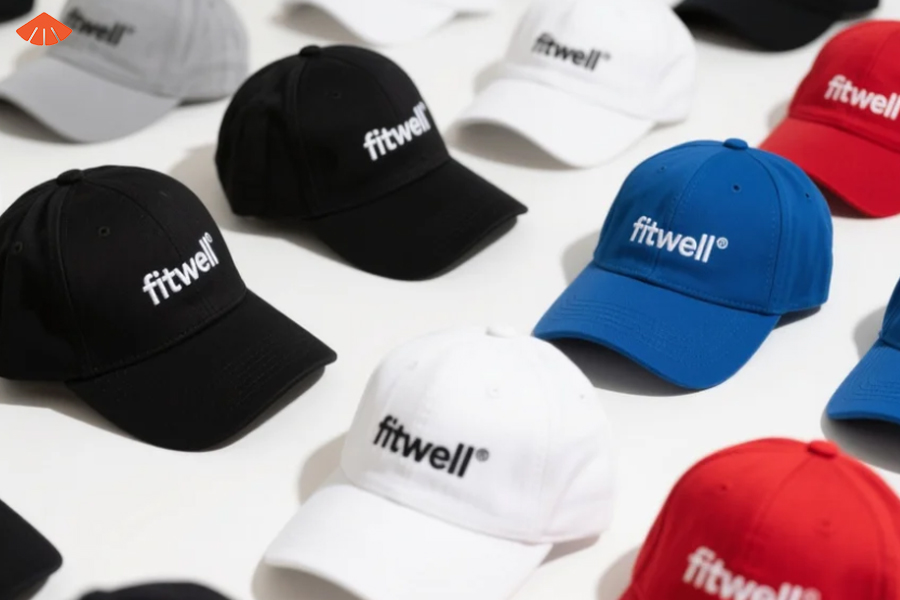
How 3D Embroidery Elevates Your Custom 5-Panel Cap Brand
Breathable fabric is the foundation of a great summer cap, but 3D embroidery is what turns a basic hat into a must-have fashion statement and a powerful branding tool. In 2026, 3D embroidery is no longer a premium add-on—it’s an expected feature for custom headwear, especially among streetwear and sports audiences.
Why 3D Embroidery Is a Must-Have for 2026 Headwear Lines
Flat embroidery used to be the standard for custom caps, but today’s customers want logos that pop. 3D embroidery (also called puff embroidery) uses foam under the embroidery thread to create a raised, textured design that stands out from the fabric. It adds depth, dimension, and a high-end feel that makes caps look more expensive and desirable.
For custom 3d logo dad hat sellers, 3D embroidery is the difference between a cap that sells for $20 and one that sells for $35+. The raised logo catches the light, looks great in photos, and feels premium to the touch—all factors that drive impulse purchases and social media shares.
Here’s why 3D embroidery delivers a higher ROI for B2B sellers:
Higher perceived value: Customers perceive 3D embroidered caps as 40% more premium than flat embroidered caps
Better brand recall: A raised logo is 2.5x more memorable than a flat logo, according to 2026 branding research
Durability: 3D embroidery holds its shape for years, even with regular wear and washing
Versatility: Works with everything from minimalist text logos to complex graphic designs
For startup founders launching their first headwear line, investing in 3D embroidery can help you stand out in a crowded market. Instead of competing on price with basic flat-embroidered caps, you can position your brand as premium and build a loyal customer base that’s willing to pay for quality.
Combining 3D Embroidery With Woven Patches for Unique Designs
While 3D embroidery is stunning on its own, combining it with woven patches takes custom cap design to the next level. The custom 3d embroidery with woven patch baseball cap features a 3D embroidered main logo on the front panel, paired with a small woven patch on the side or back for extra branding real estate.
Woven patches are made by weaving threads together to create a detailed, fabric-like patch that’s sewn onto the cap. They’re perfect for intricate logos, small text, or brand slogans that would be hard to replicate with 3D embroidery alone. When paired with a breathablecotton twill 5 panel hat, this combination creates a cap that’s both functional and visually striking.
Popular design combinations for 2026:
Front panel: Bold 3D embroidered brand logo in a contrasting color
Side panel: Small woven patch with a secondary logo, size indicator, or sustainability badge
Back panel: Embroidered text slogan or adjustable snapback closure with a custom logo tab
Undervisor: Hidden woven patch with a fun, surprise design for “inside joke” brand appeal
For streetwear online sellers, this layered design approach creates limited-edition caps that sell out quickly. Customers love collecting caps with unique details, and the combination of 3D embroidery and woven patches gives you endless opportunities to create new styles without completely reinventing your product line.
The Complete B2B Sourcing Guide for Custom 5-Panel Cotton Twill Caps
Now that you know which fabrics and embroidery styles work best for summer caps, let’s break down how to source custom 5-panel caps for your business in 2026. Whether you’re a small business owner ordering 50 caps for a pop-up shop or a sports gear retailer ordering 5,000 caps for a summer launch, these tips will help you get the best quality at the best price.
Key Customization Options to Offer Your Customers
One of the biggest advantages of selling custom 5-panel caps is the ability to offer personalized options that cater to different customer preferences. In 2026, customers expect to be able to customize everything from the color to the fit, so offering a range of options will help you capture more sales.
Essential customization options for your product line:
Size range: Offer standard sizes like
54-58cmfor adults, plus smaller sizes for kids and larger sizes for big heads
Custom logo&color: Let customers choose from 20+ thread colors and 10+ fabric colors to match their brand or personal style
Fit styles: Stock both low profile 5 panel baseball cap designs for a sleek, modern look and high-profile snapback styles for a retro, streetwear vibe
Closure types: Offer snapback, strapback, and fitted closure options to suit different customer preferences
Fabric upgrades: Let customers upgrade from basic cotton to washed cotton twill, perforated blend, or organic mesh for an extra cost
For headwear branding agencies, offering a wide range of customization options makes it easier to create tailored merchandise packages for clients. You can create different cap styles for different client campaigns—for example, a low-profile organic cotton cap for a wellness brand and a high-profile perforated snapback for a sports team.
How to Choose the Right Supplier for Your Custom Headwear Needs
Choosing the right supplier is the most important decision you’ll make when sourcing custom caps. A bad supplier can deliver low-quality products, miss deadlines, and charge hidden fees—all of which hurt your business. A great supplier, on the other hand, can help you grow your product line, improve quality, and save money over time.
What to look for in a 2026 custom headwear supplier:
Minimum order quantities (MOQs): Look for suppliers with low MOQs (50-100 units) if you’re a startup, or high-volume capacity if you’re a large retailer
Sample policy: Always order a sample before placing a bulk order to check fabric quality, embroidery precision, and fit
Certifications: Choose suppliers with ethical manufacturing certifications, organic fabric certifications, and quality control processes
Turnaround time: For summer launches, look for suppliers that can deliver bulk orders in 2-4 weeks to avoid missing sales windows
Customization capabilities: Make sure the supplier can handle 3D embroidery, woven patches, custom colors, and special fabric requests
For bespoke 3d embroidery cap brands, working with a supplier that specializes in custom headwear is non-negotiable. General apparel suppliers often lack the expertise to create high-quality 3D embroidery that doesn’t pucker or fade, so it’s worth paying a little more for a supplier that focuses exclusively on hats and caps.
If you’re a sports gear online retailer, look for suppliers that offer performance testing for moisture-wicking and breathability. You’ll want to be able to share concrete data with your customers about how much cooler the cap is compared to standard cotton caps, which helps justify a higher price point.
As you plan your 2026 summer headwear line, remember that the best custom caps balance style, comfort, and branding. A custom 3d embroidery logo 5panel cotton twill baseball cap made with breathable fabric isn’t just a product—it’s a wearable billboard for your brand that customers will love wearing all summer long.
By choosing the right fabric, investing in high-quality 3D embroidery, and working with a reliable supplier, you can build a headwear line that stands out in a crowded market, drives repeat sales, and grows your business for years to come.
Interested in custom cap solutions? Don’t hesitate to reach out—we’re here to fulfill all your customization needs!
Follow & Message Us:
Facebook:https://www.facebook.com/fitwell.li
Instagram: www.instagram.com/fitwellcustomhats.dds/
LinkedIn:http://www.linkedin.com/in/fitwellcustom-hats-38a2b9b0/
Pinterest: http://www.pinterest.com/FitwellCustomHatsdds/
YouTube: http://www.youtube.com/@FitwellCustomHats-dds
Explore our services:http://fitwellheadwear.en.alibaba.com
WhatsApp us now: https://psce.pw/86jwa3