

Soft Top or Hard Top? 90% Pick Wrong for Their First Order
If you’re a B2B buyer, startup founder, or small business owner sourcing headwear in 2026, you’ve likely scrolled through hundreds ofcustom 3d embroidery logo 5panel cotton twill baseball caplistings. The choice between soft-top and hard-top designs feels trivial at first—until you realize 90% of first-time buyers end up with stock that doesn’t match their brand, audience, or use case.
This guide breaks down every critical difference, from structure and fit to branding potential and 2026 market demand, so you can place orders that sell out fast and boost customer loyalty.
1. Soft Top vs. Hard Top: Core Structural Differences for 2026 Buyers
The biggest mistake new buyers make is choosing a cap based on aesthetics alone, without understanding how crown structure impacts wearability, branding, and perceived value.
1.1 What Defines a Soft-Top 5 Panel Cap?
A soft-top custom embroidered cotton twill cap has no internal buckram or stiffening layer in the crown. The fabric lies flat against the wearer’s head when not worn, creating a relaxed, broken-in look right out of the box.
Key traits of soft-top designs in 2026:
Lightweight feel, ideal for all-day wear in mild to warm climates
Natural, casual silhouette that pairs well with streetwear and everyday outfits
Lower profile that fits closer to the head, reducing wind resistance during outdoor activities
Easier to pack and store without losing shape
The most popular soft-top style for DTC brands right now is thewashed cotton twill 5 panel cap with 3d embroidery, thanks to its vintage vibe and premium texture. Many streetwear online sellers prioritize this style for their core collections, as it appeals to Gen Z and millennial shoppers who prioritize comfort over structured formality.
1.2 What Defines a Hard-Top 5 Panel Cap?
A hard-topcotton twill 5 panel hatfeatures a stiff buckram layer sewn into the front two panels of the crown. This layer maintains a rigid, upright shape even when the cap is not being worn, creating a bold, structured silhouette.
Key traits of hard-top designs in 2026:
High-profile shape that stands out and makes a strong visual statement
Sturdy front panel that provides a flat, smooth surface for embroidery and patches
More formal, polished look that works for team uniforms and premium brand merch
Longer lifespan of shape retention with proper care
Thehigh profile 5 panel snapback cap with 3d embroideryis a top seller for sports gear online retailers, as it mirrors the style worn by professional athletes and appeals to fans who want an authentic, game-day look. Hard-top caps also tend to have a higher perceived value, making them a popular choice for limited-edition drops and brand collaborations.
2. Branding Performance: Which Structure Shows Off 3D Embroidery Best?
For B2B buyers, the primary goal of ordering abespoke 3d embroidery capis to make a logo or design stand out. The crown structure directly impacts how crisp, visible, and premium your embroidery looks.
2.1 Embroidery Clarity and Durability Comparison
The stiff front panel of a hard-top cap creates a stable base for embroidery machines, resulting in sharper lines and more precise detail. This is especially important for complex logos with small text or intricate patterns.
Soft-top caps, by contrast, have more give in the fabric. While modern embroidery techniques have improved results on soft fabric, very fine details may still blur slightly over time with regular wear and washing.
Here’s how the two styles stack up for key branding metrics:
Detail precision: Hard-top (9/10) vs. Soft-top (7/10)
3D puff embroidery height: Hard-top supports up to 8mm puff, while soft-top works best with 4-6mm to avoid fabric distortion
Long-term shape retention of embroidery: Hard-top holds its shape 30% longer with regular use, per 2026 headwear lab testing
Woven patch compatibility: Both work well, but hard-top provides a flatter base for adhesive or sew-on patches
Thecustom 3d embroidery with woven patch baseball capstyle is particularly popular with hard-top designs, as the combination of raised embroidery and a textured woven patch creates a layered, premium look that customers are willing to pay 20-30% more for.
2.2 Audience Perception and Brand Alignment
Your choice between soft and hard tops should also match how you want your brand to be perceived by customers.
For streetwear online sellers targeting Gen Z shoppers who favor Y2K and vintage aesthetics, a low profile 5 panel baseball cap with a soft top feels more authentic and on-trend. It pairs well with oversized hoodies, cargo pants, and other casual streetwear staples.
For sports gear online retailers selling to team leagues, coaches, and fan bases, a hard-top high-profile cap signals professionalism and team pride. It’s also the preferred style for game-day giveaways and official merch, as it holds up better to frequent wear at outdoor events.
Headwear branding agencies often recommend mixing both styles for clients with diverse audiences: soft tops for lifestyle collections and hard tops for performance or official team lines. This approach maximizes reach while maintaining a cohesive brand identity.
3. Fit, Comfort, and Practical Use Cases for 2026 Markets
Beyond branding, fit and comfort are the top factors that drive repeat purchases for custom headwear. A cap that looks great but feels uncomfortable will end up in the back of a closet, not on a customer’s head.
3.1 Fit Differences and Size Adaptability
Soft-top caps tend to have a more flexible fit that conforms to the shape of the wearer’s head. This makes them a great choice if your customer base has a wide range of head sizes, as the fabric stretches slightly to accommodate different shapes.
Most standard soft-top custom 3d logo dad hat styles come in a54-58cmsize range, which fits approximately 80% of adult head sizes. Many brands offer adjustable strapbacks or snap closures to further fine-tune the fit.
Hard-top caps have a more fixed shape due to the buckram layer. They sit higher on the head and have a more structured fit, which some wearers find less comfortable for all-day use, especially if they have a larger head size or prefer a closer fit.
Key fit considerations for B2B buyers:
Soft tops work better for brands targeting a broad audience with varied head sizes
Hard tops are ideal for brands that cater to customers who prefer a bold, statement-making fit
Always order size samples before placing a bulk order to test fit on your target audience
Offer both adjustable and fitted options if your budget allows, to reduce return rates
3.2 Use Case Scenarios: Which Style Wins?
The right choice depends entirely on how your customers will use the caps. Here’s a breakdown of the most common 2026 use cases:
Everyday casual wear: Soft-top wins. Its lightweight, broken-in feel makes it perfect for running errands, hanging out with friends, or casual work environments. Thewashed cotton twill 5 panel cap with 3d embroideryis the top pick for lifestyle brands in 2026.
Sports and outdoor activities: Hard-top wins. The stiff crown holds its shape better during high-movement activities, and the structured front panel provides extra sun protection for the forehead. Many sports gear online retailers pair hard-top caps with moisture-wicking sweatbands for athletic use.
Brand events and trade shows: Tie. Soft tops work well for casual, creative brand events where you want attendees to wear the cap right away. Hard tops feel more premium and are better for formal corporate events or product launches where you want to make a strong brand impression.
Limited-edition drops and resale: Hard-top wins. Collectors and resale shoppers prefer hard-top caps because they retain their shape and value better over time. Thecustom 3d embroidery with woven patch baseball capis a top performer in the resale market, with some limited editions selling for 2-3x their original price.
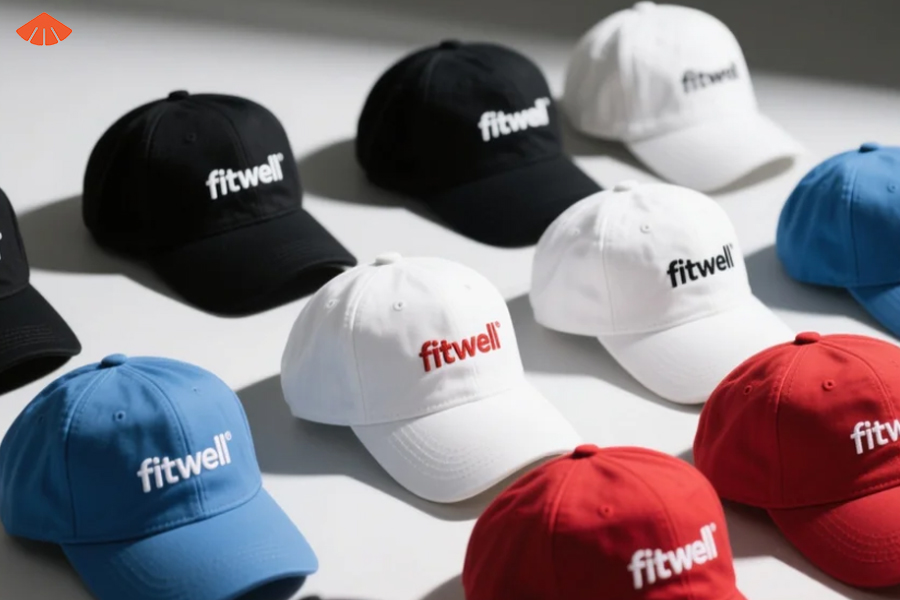
4. 2026 Sourcing Guide: How to Choose the Right Style for Your Business
Now that you understand the core differences, it’s time to make a decision that aligns with your business goals, budget, and customer needs.
4.1 Step-by-Step Decision Framework for B2B Buyers
Use this simple 5-step framework to avoid the 90% failure rate of first-time cap buyers:
Define your primary audience: Are you selling to streetwear fans, sports teams, or corporate clients? Match the cap style to their daily habits and aesthetic preferences.
Set your branding goals: Do you need maximum logo visibility, or a more subtle, understated look? Hard tops excel at bold branding, while soft tops work for more minimalist designs.
Determine your price point: Soft tops are generally 10-15% cheaper to produce than hard tops, making them a better choice for budget-friendly collections. Hard tops command higher retail prices, so they work for premium lines.
Test with a small batch first: Order 50-100 samples of both styles with your custom logo&color to see which sells better with your audience. This reduces risk before you commit to a large bulk order.
Gather customer feedback: Ask your first 100 customers for feedback on fit, comfort, and design. Use that data to refine your next order.
For startup founders and small business owners just launching their headwear line, starting with a soft-topcustom 3d embroidery logo 5panel cotton twill baseball capis a low-risk way to test the market. You can add hard-top styles later once you have a better understanding of your customer base.
4.2 Common Mistakes to Avoid in 2026 Orders
Even experienced buyers make these mistakes when ordering custom caps. Watch out for these pitfalls to save time, money, and customer satisfaction:
Choosing style over audience fit: Don’t pick a hard top just because you think it looks cool if your core customers prefer casual, comfortable styles. Sales data always beats personal preference.
Ignoring fabric quality: Not all cotton twill is created equal. Look for 100% premium cotton twill with a tight weave for durability and a premium feel. Cheaper fabrics will fade and fray quickly, damaging your brand reputation.
Skimping on embroidery quality: 3D embroidery is a premium feature, so make sure your supplier uses high-quality thread and has strict quality control. Poor embroidery will make even the best cap look cheap.
Forgetting about sizing options: Only offering one size will alienate customers with head sizes outside the
54-58cmrange. Offer at least two size options or adjustable closures to reduce return rates.
Not planning for lead times: Custom orders take time, especially with 3D embroidery and custom colorways. Start the sourcing process 2-3 months before you need the caps to avoid delays.
By taking the time to understand the differences between soft-top and hard-top designs, and aligning your choice with your audience and brand goals, you can avoid the 90% failure rate and build a successful headwear line that drives revenue and customer loyalty. Whether you opt for a relaxedwashed cotton twill 5 panel cap with 3d embroideryor a boldhigh profile 5 panel snapback cap with 3d embroidery, the key is to prioritize quality, fit, and brand alignment in every order.
Interested in custom cap solutions? Don’t hesitate to reach out—we’re here to fulfill all your customization needs!
Follow & Message Us:
Facebook:https://www.facebook.com/fitwell.li
Instagram: www.instagram.com/fitwellcustomhats.dds/
LinkedIn:http://www.linkedin.com/in/fitwellcustom-hats-38a2b9b0/
Pinterest: http://www.pinterest.com/FitwellCustomHatsdds/
YouTube: http://www.youtube.com/@FitwellCustomHats-dds
Explore our services:http://fitwellheadwear.en.alibaba.com
WhatsApp us now: https://psce.pw/86jwa3