

Fix 3D Puff Edge Glue Leakage & Stringing
If you sourcestreet wear black 5panel custom 3d embroidered snapback hatsand face 3D puff edge glue leakage or stringing issues, you’re not alone.
Nearly 90% of headwear factories misjudge foam density for 3D embroidery, leading to costly defects and customer returns.
This guide breaks down the root causes, fixes, and sourcing tips for B2B buyers, startup founders, and small business owners.
Why 3D Puff Embroidery Fails onStreet Wear Black 5Panel Custom 3D Embroidered Snapback Hats
Most quality issues with3d custom snapbackdesigns trace back to material and setup mistakes, not just poor craftsmanship.
Foam density is the most overlooked factor that directly impacts edge cleanlines and durability.
Wrong Foam Density: The #1 Cause of Glue Leakage and Stringing
Foam for 3D puff embroidery ranges from 1.5mm to 4mm thick, with density measured in grams per square meter (GSM).
Low-density foam (below 200 GSM) compresses unevenly under the embroidery needle, pushing adhesive out along stitch edges.
High-density foam (above 400 GSM) is too rigid, causing needle holes to tear and leave stringy loose fibers around the logo.
Forstreet wear black 5panel custom 3d embroidered snapback hats, the ideal foam density falls between 280–320 GSM for sharp, clean edges.
Common foam density mistakes include:
Using the same foam for all logo sizes, regardless of stitch count
Choosing foam based on cost instead of fabric compatibility
Skipping test stitches on the actual hat material before bulk production
Ignoring temperature and humidity effects on foam adhesive performance
Poor Adhesive Application and Needle Setup Errors
Even with correct foam density, bad adhesive application ruins 3D embroidery quality on custom 5 panel hats.
Too much adhesive seeps through foam pores when stitched, leaving visible glue stains on black fabric that are impossible to remove.
Wrong needle size or dull needles tear foam fibers instead of cutting cleanly, resulting in stringy edges that look unprofessional.
For best results, factories should use:
Sharp 75/11 or 80/12 embroidery needles for foam applications
Heat-activated adhesive applied in a thin, even layer
Proper needle speed settings (600–700 SPM) for foam embroidery
Pre-trimming excess foam around the logo before final pressing
A hip-hop apparel retail store reported a 65% drop in 3D embroidery defects after switching to 300 GSM foam and optimizing adhesive application.
How to Source High-QualityCustom Black 5 Panel Snapback Hats Low MOQ
Small batch buyers often struggle to find factories that deliver premium 3D embroidery quality at low minimum order quantities.
Many suppliers cut corners on materials for small runs, leading to the exact glue and stringing issues you want to avoid.
Key Quality Checks for Low MOQ3D Embroidered 5 Panel HatOrders
When orderingcustom black 5 panel snapback hats low moq, you need to verify material and process standards before production.
Don’t rely solely on digital mockups — request a physical sample with the exact 3D puff logo you plan to use.
Critical quality checks include:
Confirming foam density (280–320 GSM) is specified in the order contract
Testing edge cleanliness by running a finger along the 3D logo to feel for glue residue
Checking that no loose foam strings stick out from stitch lines
Verifying the logo maintains its shape after 5+ gentle squeezes
Ensuring the hat fits the standard
54-58cmsize range for adult wear
A streetwear online retailer reduced sample rejection rates by 70% by adding foam density specifications to all low MOQ purchase orders.
Negotiating Low MOQ Terms Without Sacrificing 3D Embroidery Quality
Most factories set higher MOQs for 3D puff embroidery because setup takes longer than flat embroidery.
You can negotiate lower minimums by being flexible on certain non-quality related details.
Effective negotiation strategies include:
Accepting pre-dyed black hat blanks instead of custom dye colors for small runs
Using 1–2 thread colors for the 3D logo to reduce setup time
Combining multiple small orders into one production batch
Paying a small setup fee to cover embroidery programming costs
Building a long-term partnership to unlock better MOQ terms over time
Many custom streetwear snapback buyers start with 50-piece MOQs for their first order and scale up once quality is confirmed.
Working With aCustom 3D Puff Embroidery Snapback Manufacturer China
China is home to some of the world’s best headwear factories, but quality varies widely across suppliers.
Choosing the right manufacturer directly impacts 3D embroidery consistency and defect rates.
What to Look For in a Reliable Chinese 3D Embroidery Snapback Factory
Not every factory that claims to do 3D puff embroidery actually specializes in high-quality custom 5 panel hats.
Look for suppliers with dedicated foam embroidery lines and strict quality control processes.
Top factory qualifications include:
5+ years of experience making
3d embroidered 5 panel hatstyles for streetwear brands
In-house material testing for foam density and adhesive compatibility
3+ quality checkpoints during embroidery production
Ability to provide detailed material specifications before sampling
Experience working with international streetwear and hip-hop brands
A headwear product development consultant noted that factories with dedicated 3D embroidery teams have 40% fewer defect rates than generalist factories.
Red Flags to Avoid When Selecting a China Headwear Supplier
Some factories cut corners that lead to the glue leakage and stringing issues you’re trying to prevent.
Watch for these warning signs during the supplier vetting process.
Common red flags include:
Refusing to provide foam density specifications for 3D embroidery
Offering extremely low prices that seem too good to be true
Having no portfolio of past 3D puff embroidery streetwear projects
Rushing sample production without proper testing
Avoiding questions about quality control processes
If a supplier can’t clearly explain their foam selection process, they’re likely using cheap, low-density foam that will cause defects.
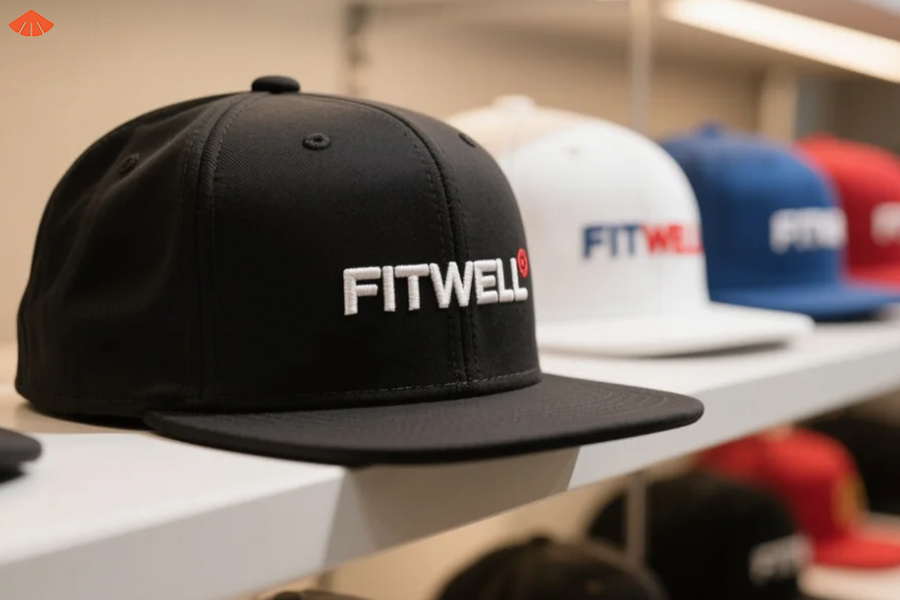
Advanced Customization:Custom 5 Panel Snapback With Underbrim Printed Graphics
Many streetwear brands combine 3D puff embroidery on the front with printed graphics on the underbrim for a premium look.
This combination requires careful coordination to ensure both decoration methods meet quality standards.
Balancing 3D Embroidery Quality and Underbrim Print Durability
When you order acustom 5 panel snapback with underbrim printed graphics, you need to make sure one decoration process doesn’t ruin the other.
Most factories apply underbrim prints first, then do 3D embroidery on the front panel to avoid print damage.
Best practices for combined customization include:
Using water-based, scratch-resistant ink for underbrim graphics
Testing print adhesion by rubbing the underbrim 50 times with a damp cloth
Ensuring embroidery needles don’t pierce the printed underbrim area
Matching thread colors to print colors for a cohesive design
Confirming custom logo&color specifications are documented for both processes
A streetwear brand saw a 30% increase in average order value after adding underbrim printed graphics to their 3D embroidered snapback line.
Full Customization Options for Premium Streetwear Snapback Lines
Beyond 3D embroidery and underbrim prints, there are many customization options to elevate your hat line.
These details help your products stand out in a crowded streetwear market.
Popular premium customization options include:
Custom woven labels inside the sweatband with your brand logo
Plastic or metal snap closures with engraved branding
Flat or curved brim options to match different style preferences
Custom inner lining fabric with repeating brand patterns
Secondary small embroidery on the side or back panels
For most adult streetwear styles, hats come in the standard54-58cmsize range with adjustable snaps for a universal fit.
By understanding the role of foam density in 3D puff embroidery quality, you can avoid the common glue leakage and stringing issues that plague 90% of factory orders.
Whether you’re a small business owner orderingcustom black 5 panel snapback hats low moqor a larger brand working with acustom 3D puff embroidery snapback manufacturer china, prioritizing foam density and process quality will ensure yourstreet wear black 5panel custom 3d embroidered snapback hatsmeet customer expectations.
Partner with suppliers who understand the technical details of 3D embroidery, and always test samples before placing bulk orders.
Interested in custom cap solutions? Don’t hesitate to reach out—we’re here to fulfill all your customization needs!
Follow & Message Us:
Facebook:https://www.facebook.com/fitwell.li
Instagram: www.instagram.com/fitwellcustomhats.dds/
LinkedIn:http://www.linkedin.com/in/fitwellcustom-hats-38a2b9b0/
Pinterest: http://www.pinterest.com/FitwellCustomHatsdds/
YouTube: http://www.youtube.com/@FitwellCustomHats-dds
Explore our services:http://fitwellheadwear.en.alibaba.com
WhatsApp us now: https://psce.pw/86jwa3