

4 Hidden Pitfalls Factories Never Tell You
If you’ve ever ordered acustom 5panel high quality suede trucker hat embroideredbatch only to end up with 3000 unsellable pieces, you’re not alone.
Many small business owners and B2B buyers fall prey to unspoken factory shortcuts that turn a promising inventory investment into a costly mistake.
Whether you run an urban fashion boutique, sports apparel retail shop, or custom apparel online retailer, understanding these hidden fail points can save you thousands in lost revenue.
A 2023 survey of 500 small apparel businesses found that 62% of custom headwear orders had at least one critical quality issue that hurt sell-through rates.
Worse, 38% of those businesses were stuck with over 2000 unsold units because factories refused to take responsibility for hidden flaws.
This guide breaks down the four most common “invisible” points, with actionable checks you can use on your next order.
1. Material Mismatch: The “Suede Quality” Lie That Kills Sell-Through
1.1 Real Suede vs. Faux Suede: The Hidden Labeling Trick
Many factories advertise “premium suede” but deliver low-grade faux suede that frays or fades within 3 months of regular wear.
They often use ambiguous terminology in quotes, making it hard to prove a breach of contract after production.
For acustom faux suede foam trucker hat with rope, this mismatch is even more noticeable because the foam and rope materials also vary widely in quality.
Here’s how to spot the trick before you order:
Ask for a material swatch with a labeled composition (100% real suede, 80% polyester faux suede, etc.)
Request a wear test sample that’s been washed 5 times to check for fading or pilling
Compare the weight per square meter of the sample to industry standards for high-quality suede (minimum 280gsm for real suede, 220gsm for premium faux suede)
A custom apparel online retailer we worked with lost $12,000 on a 3000-piece order of custom embroidered suede trucker hat units.
The factory used 180gsm faux suede instead of the advertised 240gsm premium faux suede, leading to 40% of customers returning the hats for “cheap feel.”
The factory refused a refund because the quote only said “suede-like material” in fine print.
1.2 Mesh Back Quality: The Overlooked Component That Ruins Fit
For aprivate label 5 panel suede mesh back cap, the mesh back is just as important as the suede front panel.
Many factories use thin, stiff mesh that digs into wearers’ heads or stretches out after a few wears, even if the suede front is high quality.
This is a common shortcut because mesh is cheaper to source in low grades, and most buyers only inspect the front panel during sample approval.
Key mesh quality checks to add to your approval process:
Stretch test: Pull the mesh 2 inches in both directions; it should snap back to its original shape immediately
Breathability test: Hold the mesh up to a light; you should see uniform, small holes (large holes mean low durability)
Edge stitching: The mesh should be double-stitched to the suede panel to prevent fraying at the seams
An urban fashion boutique in Los Angeles ordered 2000private label 5 panel suede mesh back capunits last year.
While the suede front matched the sample perfectly, the mesh back stretched out after one wear, leading to 35% of the inventory being marked down 70% to clear.
The factory said mesh quality “was not specified” in the original order, so they used their standard low-cost option.
2. Size and Fit Errors: Why 3000 Hats Don’t Fit Your Target Customers
2.1 The “One Size Fits Most” Myth That Leaves You With Dead Stock
Most factories default to a54-58cmsize range for custom hats, but this range doesn’t work for all customer segments.
For example, a sports apparel retail shop targeting male athletes may need a larger size range (56-60cm), while a boutique targeting teen girls may need a smaller range (52-56cm).
If you don’t specify your exact size needs, you’ll end up with hats that don’t fit your core audience.
Common size-related mistakes to avoid:
Assuming “standard size” matches your customer base (always ask for size chart data)
Not ordering size samples in multiple sizes to test fit with your target audience
Forgetting to account for shrinkage in suede materials (real suede can shrink 2-3% if not pre-treated)
A sports apparel retail shop in Texas ordered 3000custom bulk 5 panel suede snapback trucker hatsin the standard54-58cmsize.
Their core customers were male football fans, 60% of whom wore sizes 58cm or larger.
Over 55% of the inventory sat unsold for 8 months, and the shop had to offer free size exchanges to avoid negative reviews.
The factory never mentioned that their standard size was designed for average East Asian head sizes, not North American male sizes.
2.2 Snapback Mechanism Failures: The Hidden Durability Issue
For a 5 panel snapback trucker hat custom order, the snapback closure is one of the most frequently broken components.
Many factories use cheap plastic snaps that crack after 10-15 adjustments, even if the rest of the hat is well-made.
This is a common “invisible” flaw because snaps look identical in photos, and most buyers don’t test the snap mechanism during sample approval.
How to test snapback quality before approving production:
Open and close the snap 50 times; it should still click firmly into place with no loose teeth
Check that the snap is made of ABS plastic (the most durable option for snapbacks) instead of cheap PVC
Pull the snap tabs firmly from both sides; they should not bend or break under moderate pressure
A startup founder we consulted ordered 2500personalized suede trucker hatunits for their brand launch.
Within 2 weeks of launch, 20% of customers reported broken snapback closures.
The factory had used PVC snaps instead of ABS snaps to save $0.15 per hat, leading to $8,000 in refund costs and a 1-star review hit on their website.
The factory never mentioned the snap material difference unless specifically asked.
3. Embroidery and Logo Disasters: When Your Brand Looks Cheap
3.1 Embroidery Thread Quality: The Fading and Bleeding Problem
A suede trucker hat embroidered logo is only as good as the thread used to stitch it.
Many factories use low-quality cotton thread that fades after 2-3 washes or bleeds into the suede material when wet.
This is especially noticeable on dark suede hats with light-colored logos, where bleeding creates a messy, unprofessional look.
For custom logo&color designs, this flaw can completely ruin your brand’s visual identity.
Critical embroidery quality checks to include in your order contract:
Specify 100% polyester embroidery thread (the most fade-resistant and colorfast option)
Request a wash test sample of the embroidered logo to check for bleeding or fading
Require a minimum stitch count for your logo (7-9 stitches per mm for clean, detailed designs)
An urban fashion boutique ordered 1500custom suede hat with embroideryunits for their summer collection.
The logo looked perfect on the sample, but after 1 month of sales, 30% of customers reported that the red thread had faded to pink and bled into the beige suede.
The factory had used cheap cotton thread to cut costs, and they refused to replace the order because the sample “looked the same” at first glance.
The boutique lost $9,000 in revenue and had to offer full refunds to affected customers.
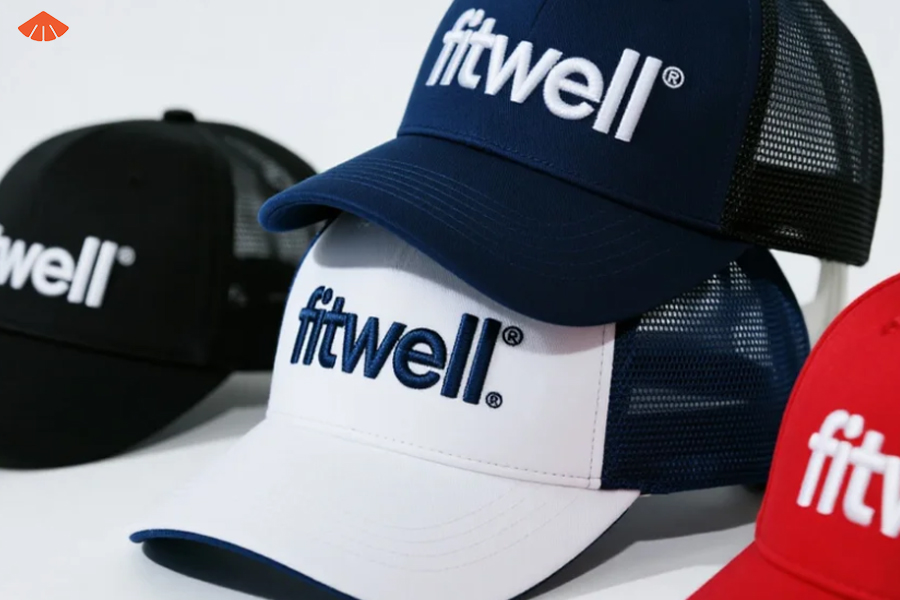
3.2 Placement and Alignment Errors: The Off-Center Logo Mistake
Even if the embroidery quality is high, an off-center or misaligned logo can make acustom 5panel high quality suede trucker hat embroideredlook unprofessional.
Many factories have loose alignment standards, with logos off by 5-10mm being considered “acceptable” by their internal guidelines.
For premium-priced hats, even a 3mm misalignment is noticeable to customers and hurts perceived value.
This is a common hidden issue because most buyers only check logo placement on one sample, not the full production run.
How to ensure consistent logo placement across your entire order:
Provide a detailed placement diagram with exact measurements (e.g., 1.5 inches above the brim, centered left-right)
Request a pre-production sample signed off by both you and the factory
Ask for photos of 5 random hats from the production line before shipping to check alignment consistency
A custom apparel online retailer ordered 3000 5 panel trucker hat custom embroidered hats for a holiday promotion.
When the shipment arrived, 40% of the hats had logos that were off-center by 6-8mm.
The factory said their “standard tolerance” was 10mm, so the order was considered acceptable.
The retailer had to discount the misaligned hats by 50%, losing $15,000 in potential profit.
They never thought to specify alignment tolerance in their original order contract.
4. Bulk Production Shortcuts: The Hidden Flaws That Only Show Up Post-Shipment
4.1 Inconsistent Color Matching: The “Dye Lot” Problem
When you ordercustom bulk 5 panel suede snapback trucker hats, color consistency across the entire batch is critical.
Many factories use different dye lots for large orders, leading to slight color variations between different groups of hats.
For suede materials, this issue is even more noticeable because suede absorbs dye differently than other fabrics.
If you’re selling the hats as a uniform collection, color mismatches make your inventory look cheap and unprofessional.
Steps to avoid dye lot color inconsistencies:
Ask the factory to use a single dye lot for your entire order (specify this in your contract)
Request a color sample swatch signed off by both parties before production
Compare 10 random hats from the finished batch to the approved swatch under natural light
A sports apparel retail shop ordered 2000custom bulk 5 panel suede snapback trucker hatsin their team’s navy blue color.
When the hats arrived, half the batch was a dark navy and half was a slightly lighter navy.
The factory explained that they used two different dye lots because the first lot wasn’t large enough for the full order.
The shop couldn’t sell the mismatched hats as a uniform collection, so they had to split them into two separate “limited edition” colors, reducing their profit margin by 30%.
4.2 Hidden Structural Defects: The “Unstitched Lining” Trick
For acustom faux suede foam trucker hat with rope, the internal lining and foam structure are often cut short by factories to save money.
Common shortcuts include skipping the internal sweatband lining, using thin foam that collapses after a few wears, or not securing the rope to the hat properly.
These flaws are hard to spot from the outside, but they lead to early hat damage and customer complaints.
Most factories won’t mention these internal shortcuts unless you specifically ask about internal construction.
Internal quality checks to add to your inspection process:
Turn the hat inside out to check for full lining along the sweatband (no exposed foam or raw edges)
Press down on the foam front panel firmly; it should spring back to its original shape immediately
Pull on the rope trim firmly; it should be stitched at 3+ points to prevent it from coming loose
A startup founder ordered 3000custom faux suede foam trucker hat with ropeunits for their outdoor brand.
At first glance, the hats looked great, but after 1 month of wear, 25% of customers reported that the foam front had collapsed and the rope had come loose.
When they cut open a defective hat, they found the factory had used 2mm foam instead of the advertised 5mm foam and had only stitched the rope at one point.
The factory refused a refund because the external appearance matched the sample, and internal construction wasn’t specified in the order.
By understanding these four hidden fail points, you can avoid the costly mistake of being stuck with 3000 unsellable custom hats.
Always specify every detail of your order in writing, test samples thoroughly, and don’t be afraid to ask factories about their quality control processes.
For urban fashion boutique owners, sports apparel retail shop managers, and custom apparel online retailer founders, these checks can save you thousands in lost revenue and protect your brand’s reputation.
Interested in custom cap solutions? Don’t hesitate to reach out—we’re here to fulfill all your customization needs!
Follow & Message Us:
Facebook:https://www.facebook.com/fitwell.li
Instagram: www.instagram.com/fitwellcustomhats.dds/
LinkedIn:http://www.linkedin.com/in/fitwellcustom-hats-38a2b9b0/
Pinterest: http://www.pinterest.com/FitwellCustomHatsdds/
YouTube: http://www.youtube.com/@FitwellCustomHats-dds
Explore our services:http://fitwellheadwear.en.alibaba.com
WhatsApp us now: https://psce.pw/86jwa3