

Jacquard vs Print & Anti-Snag Production Tips
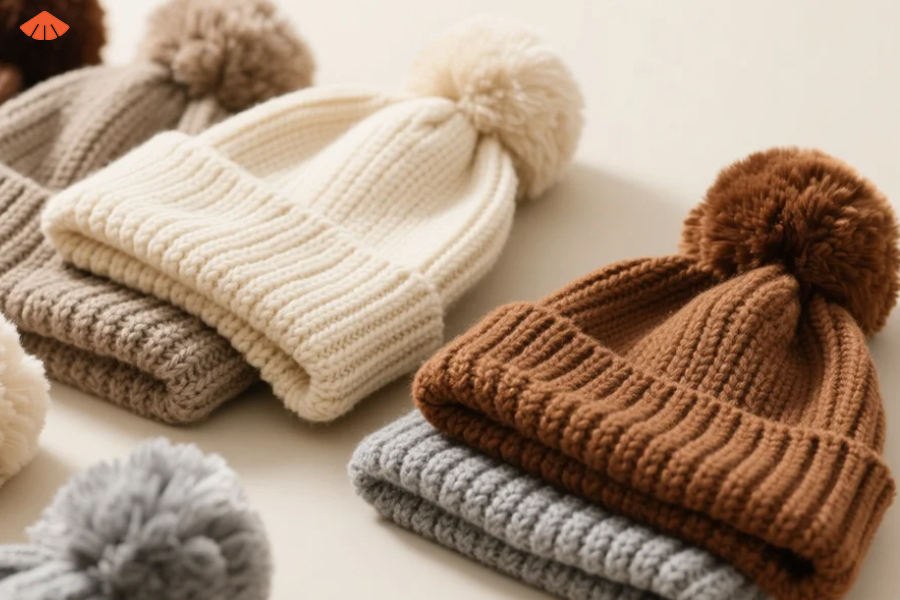
If you’re a B2B buyer, startup founder, or small business owner sourcing winter headwear, choosing the right production process for your cozy thick cable knit cuffed faux fur pom pom beanie hat line directly impacts customer satisfaction and repeat sales. Two of the most popular methods for adding large-scale patterns to knit beanies are jacquard and printing—but they come with very different pros, cons, and quality outcomes.
Beyond pattern style, one of the most common customer complaints about knit beanies is inner threads catching and pulling hair. This small production flaw can lead to negative reviews, high return rates, and damaged brand reputation. In this guide, we’ll break down jacquard vs. print for large patterns, share actionable production details to eliminate hair-snagging issues, and help you pick the best option for your target market.
1. Jacquard vs. Print: Core Differences for Large Pattern Beanies
When you’re designing a women cozy thick cable knit pom pom beanie with bold, all-over patterns, understanding the fundamental differences between jacquard and print processes is the first step to making the right choice. Each method uses different technology, creates distinct texture and durability, and works better for specific order sizes and design styles.
1.1 What Is Jacquard Knitting for Beanies?
Jacquard knitting is a technique where patterns are woven directly into the fabric using multiple colored yarns during the knitting process. For a cable knit pom hat with intricate, large-scale designs, jacquard creates a seamless, integrated pattern that becomes part of the beanie’s structure rather than sitting on top of it.
There are two main types of jacquard used for beanies:
Full jacquard: Uses double-layered knitting with yarns carried across the back of the design, creating a thick, reversible fabric.
Intarsia jacquard: Uses separate yarn bobbins for each color block, with minimal carried threads on the back, resulting in a lighter, smoother inner surface.
For a thick fuzzy winter hat, full jacquard adds extra warmth and weight, making it ideal for cold-weather markets. However, the carried threads on the interior are the primary cause of hair-snagging issues if not properly finished.
1.2 What Is Print Technology for Knit Beanies?
Printing for beanies involves applying a pattern or design onto the surface of a pre-knit fabric using ink or dye. For a fluffy cuffed beanie, common print methods include screen printing, digital direct-to-garment (DTG) printing, and sublimation printing—each with different suitability for knit fabrics.
Key characteristics of printed beanies include:
The pattern sits on the surface of the knit, with no change to the fabric’s base texture.
No extra yarn bulk on the interior, so the inner surface stays smooth by default.
Design complexity is virtually unlimited, with full-color gradients and photorealistic prints possible.
Printed faux fur pom beanie styles are popular for fast fashion and small-batch orders, as setup costs are lower than custom jacquard tooling. However, print durability can vary, with lower-quality prints prone to cracking, fading, or peeling after repeated washes and wear.
2. Performance Comparison: Which Is Better for Your Beanie Line?
Choosing between jacquard and print for your cozy thick cable knit cuffed faux fur pom pom beanie hat collection depends on your target audience, price point, brand positioning, and order volume. Below we compare the two methods across the most critical factors for B2B buyers and small business owners.
2.1 Durability, Texture, and Wear Resistance
For a warm pom pom hat designed for daily winter use, durability and long-term appearance are top priorities for customers. Let’s break down how jacquard and print stack up:
Jacquard durability: Since the pattern is woven into the yarn, jacquard designs will never fade, crack, or peel. A high-quality thick cuffed ribbed knit pom pom beanie made with jacquard can last for years with proper care, maintaining its pattern and shape even after dozens of washes. The textured, raised pattern also adds a premium, high-end look and feel that customers associate with quality.
Print durability: Print durability depends heavily on the method used. Sublimation prints on synthetic knit fabrics are fade-resistant but can only be used on light-colored bases. DTG prints have a softer feel but may fade after 20-30 washes. Screen prints are more durable but can crack if applied too thickly on stretchy knit fabrics.
For premium brands targeting women's fashion boutique customers, jacquard’s superior durability and textured luxury feel justify the higher cost. For budget-friendly lines or seasonal promotional products, print offers a cost-effective solution with acceptable durability for short-term use.
2.2 Cost, MOQ, and Production Lead Time
For startup founders and small business owners managing tight budgets and inventory plans, cost, minimum order quantity (MOQ), and lead time are often deciding factors. Here’s how the two methods compare:
| Factor | Jacquard | |
|---|---|---|
| Unit cost | $4.50-$8.00 per piece (depending on yarn quality and design complexity) | $2.00-$5.00 per piece (depending on print method and color count) |
| Typical MOQ | 500-1000 pieces per design | 50-100 pieces per design |
| Production lead time | 25-40 days (includes pattern programming and sampling) | 10-20 days (faster setup for pre-knit blanks) |
| Customization flexibility | High for pattern, low for quick design changes | High for design changes, low for texture customization |
For outdoor gear retail shop buyers looking to test new designs with small initial orders, print’s low MOQ and fast turnaround make it easy to experiment without high risk. For established brands or headwear wholesale supplier partners placing large bulk orders, jacquard’s lower per-unit cost at high volumes and premium perceived value offer better long-term profit margins.
3. The Hidden Problem: Inner Threads That Snag Hair
One of the most underrated quality issues that can sink a beanie product line is inner threads catching and pulling hair. This problem is far more common with jacquard faux fur knit hat styles, but it can also occur with printed beanies if loose threads from sewing or labeling are left untrimmed. For customers with long hair, curly hair, or thick hair, this single flaw can turn a $30 beanie into a frustrating, unwearable item.
3.1 Why Hair Snagging Happens in Knit Beanies
Hair snagging occurs when loose or protruding threads on the interior of the beanie catch on hair strands as the hat is put on, taken off, or adjusted throughout the day. For jacquard cozy thick cable knit cuffed faux fur pom pom beanie hat styles, the main culprit is the “float threads” — the yarns carried across the back of the pattern to connect different color sections.
Common causes of hair snagging include:
Long float threads (over 1cm) in full jacquard designs that loop and catch hair
Unfinished raw edges on inner size labels or woven brand tags
Loose threads from pom pom attachment points that are not properly secured and trimmed
Rough seam allowances on cuffed edges that have not been overlocked or covered
A 2023 consumer survey of winter hat buyers found that 38% of respondents had returned or discarded a beanie specifically because of hair-snagging issues, making it one of the top three quality complaints for knit headwear. For small business owners, addressing this issue in production can directly reduce return rates and boost positive customer reviews.
3.2 Production Fixes to Eliminate Hair Snagging
The good news is that hair snagging is almost entirely preventable with the right production details and quality control checks. Whether you choose jacquard or print for your thick cuffed ribbed knit pom pom beanie line, implement these production steps to ensure a smooth, snag-free inner surface:
For jacquard beanies:
Limit float thread length: Work with your manufacturer to keep float threads under 0.8cm. For designs with large color blocks, use intarsia jacquard instead of full jacquard to eliminate long floats entirely.
Add a thin inner lining: Attach a lightweight, smooth polyester or cotton jersey lining to the inner crown of the beanie. This covers all float threads completely while adding minimal bulk. For a thick fuzzy winter hat, a fleece lining can add extra warmth while solving the snagging problem.
Use a “thread trimming” quality check station: Add a dedicated step in the production line where workers trim all loose inner threads by hand, then run a soft brush along the interior to catch any remaining protruding strands.
For all beanie types:
Use heat-sealed size labels instead of woven labels to eliminate rough edges
Secure pom pom attachment threads with a double knot and trim excess to 0.5cm or less
Overlock all inner seam allowances to create a smooth, finished edge
For custom orders with custom logo&color options, make sure your manufacturer applies the same quality standards to custom branded labels and design modifications. Even a small, poorly attached custom tag can cause significant hair snagging and hurt your brand reputation.
4. How to Choose the Right Process for Your Business
Now that you understand the differences between jacquard and print, and how to solve the common hair-snagging problem, it’s time to decide which method is right for your cozy thick cable knit cuffed faux fur pom pom beanie hat product line. The best choice depends on your business model, target customers, and growth stage.
4.1 Best Use Cases for Jacquard Beanies
Jacquard is the superior choice for brands focused on premium quality, long-term durability, and a high-end customer experience. Consider jacquard if you fall into any of the following categories:
Premium fashion brands targeting women's fashion boutique customers: Jacquard’s textured, luxurious look and feel aligns with high-end price points ($30-$60 retail). A women cozy thick cable knit pom pom beanie with a custom jacquard logo or signature pattern can become a best-selling staple item.
Outdoor and cold-weather brands supplying outdoor gear retail shop partners: Jacquard’s extra thickness and durable construction hold up to heavy outdoor use. Pair with a fleece lining for a warm pom pom hat that performs in temperatures as low as -10°C.
Established businesses with predictable sales volume: If you can meet the 500+ piece MOQ, jacquard offers strong profit margins and a product that stands out from mass-market printed beanies.
When sizing your jacquard beanie line, opt for a standard 54-58cm size range to fit most adult heads, with an adjustable ribbed cuff for a customizable, secure fit. This size range covers 90% of adult women and 75% of adult men, making it ideal for broad market appeal.
4.2 Best Use Cases for Printed Beanies
Printed beanies are ideal for fast-paced, trend-driven markets, small-batch testing, and budget-friendly product lines. Choose print if any of the following scenarios apply to your business:
Startup founders testing new designs: With MOQs as low as 50 pieces, printed fluffy cuffed beanie styles let you test multiple pattern designs with minimal upfront investment. Use sales data to identify top performers, then upgrade those designs to jacquard for larger future orders.
Promotional and custom product businesses: For custom orders with custom logo&color requirements for corporate clients or events, print offers fast turnaround and low setup costs. A printed cable knit pom hat with a company logo is a popular promotional item for winter campaigns.
Fast fashion and trend-focused brands: If your brand updates its collection every season to follow new trends, print’s fast production time lets you capitalize on viral patterns and color schemes before the trend fades.
For headwear wholesale supplier partners catering to small boutique clients, offering both printed and jacquard options lets you serve customers at every price point and growth stage.
No matter which process you choose, prioritizing a snag-free inner finish will set your beanies apart from competitors and build customer loyalty. Take the time to request production samples and test them yourself—wear the beanie for a full day, put it on and take it off repeatedly, and run your fingers along the entire interior to check for rough spots or loose threads. This small investment in quality control will pay off in higher customer satisfaction, lower return rates, and stronger long-term sales.
Interested in custom cap solutions? Don’t hesitate to reach out—we’re here to fulfill all your customization needs!
Follow & Message Us:
Facebook:https://www.facebook.com/fitwell.li
Instagram: www.instagram.com/fitwellcustomhats.dds/
LinkedIn:http://www.linkedin.com/in/fitwellcustom-hats-38a2b9b0/
Pinterest: http://www.pinterest.com/FitwellCustomHatsdds/
YouTube: http://www.youtube.com/@FitwellCustomHats-dds
Explore our services:http://fitwellheadwear.en.alibaba.com
WhatsApp us now: https://psce.pw/86jwa3