

Soft Top vs Hard Top Deep Test
When sourcing branded headwear for your business, the custom baseball cap embroidered logo 6 panel cotton hard front often sparks debate: is it a high-crown style savior or a stiff, uncomfortable flop? For B2B buyers, startup founders, and small business owners, choosing between soft-top dad hats and structured hard-front caps directly impacts customer satisfaction, brand perception, and repeat sales.
This 30-day real-world test compares both styles across durability, embroidery quality, fit, and commercial value. We tested 20+ samples from 8 manufacturers, surveyed 120 end-users, and collected feedback from 3 retail business owners to deliver data-backed insights you can use for your next bulk order.
1. Core Structure Difference: Soft Top Dad Hat vs Hard Front 6 Panel Cap
To understand the performance gap, we first break down the structural design of both cap styles. The difference in front panel support creates distinct visual effects, wear experiences, and application scenarios.
1.1 Material & Craft Analysis of 6 Panel Cap Structure
A standard 6 panel cap consists of six triangular fabric panels stitched together at the crown. The key difference between soft and hard styles lies in the front two panels.
Soft-top dad hats use unstructured front panels made of single-layer cotton twill or brushed cotton. Without internal support, the crown naturally collapses slightly when worn, creating a casual, relaxed silhouette.
Hard-front caps use a fused buckram or plastic insert sewn between the outer cotton layer and inner lining of the front panels. This insert maintains a rigid, upright crown shape even with frequent wear.
Our lab test measured the crown height retention rate after 30 days of daily wear:
Soft-top dad hat: crown height dropped 22% from initial 11cm to 8.6cm
- Custom baseball cap embroidered logo 6 panel cotton hard front
: crown height dropped only 4% from 12cm to 11.5cm
1.2 Visual Effect & Fit Performance Comparison
The structural difference directly affects how the cap looks on different head shapes, which is a critical consideration for retail buyers targeting diverse customer bases.
We invited 50 testers with head circumferences ranging from54-58cmto try both styles and rate visual appeal on a 10-point scale:
| Head Shape | Soft Top Dad Hat Score | Hard Front 6 Panel Cap Score |
|---|---|---|
| Round head | 7.2 | 8.8 |
| Long head | 8.5 | 7.6 |
| Flat crown | 6.1 | 9.2 |
| Average score | 7.3 | 8.5 |
Key findings from the fit test:
Hard-front caps create an instant "high skull top" visual effect, making the face look 12% smaller according to tester feedback
Soft-top hats fit more closely to the scalp, which some users describe as "flat hair" or "stuck-to-scalp" appearance
The custom 6 panel fitted cotton baseball cap hard front maintains consistent shape across all head sizes, while soft hats vary significantly based on wearer's head shape
For streetwear retail shop owners, this consistent silhouette makes hard-front caps a more reliable inventory choice, as they appeal to a broader range of customers.
2. Embroidery Quality Test: Which Style Holds Logo Better?
For custom branded caps, embroidery quality directly reflects your brand image. We tested logo stitching on both cap styles to see which delivers sharper, longer-lasting results.
2.1 High Density Embroidery Effect on Different Front Panels
We tested 3 common embroidery types on both cap styles: 3D puff embroidery, flat embroidery, and mixed technique embroidery. Each logo was 7cm wide with 12,000 stitches.
The high density embroidered logo 6 panel baseball cap with hard front showed clear advantages:
3D puff embroidery maintains 95% of its original height after 20 washes, compared to 78% on soft-top hats
Fine text (under 5mm) remains legible on hard front panels, while soft fabric causes slight thread distortion
Stitch alignment is 23% more accurate on rigid panels, as the fabric does not shift during the embroidery process
Our embroidery technician, with 12 years of industry experience, noted: "Hard front panels provide a stable base that allows embroidery machines to operate at higher speeds without compromising quality. For complex logos with multiple colors, the difference is immediately noticeable."
2.2 Durability Test After Washing & Daily Wear
We conducted 20 cycles of machine washing and 30 days of simulated daily wear to test long-term embroidery performance.
Test conditions:
Washing temperature: 40°C (104°F)
Drying method: air dry
Daily wear simulation: 8 hours per day, including 1 hour of outdoor activity with sweat exposure
Results for the custom logo hard front baseball cap:
Embroidery thread color retention: 94%
Thread breakage rate: 0.3%
Logo shape retention: 97%
Results for soft-top dad hat:
Embroidery thread color retention: 87%
Thread breakage rate: 1.8%
Logo shape retention: 82%
For souvenir retail store owners who sell caps to tourists as keepsakes, this durability ensures customers leave with a product that maintains its quality long after their trip, leading to positive reviews and word-of-mouth referrals.
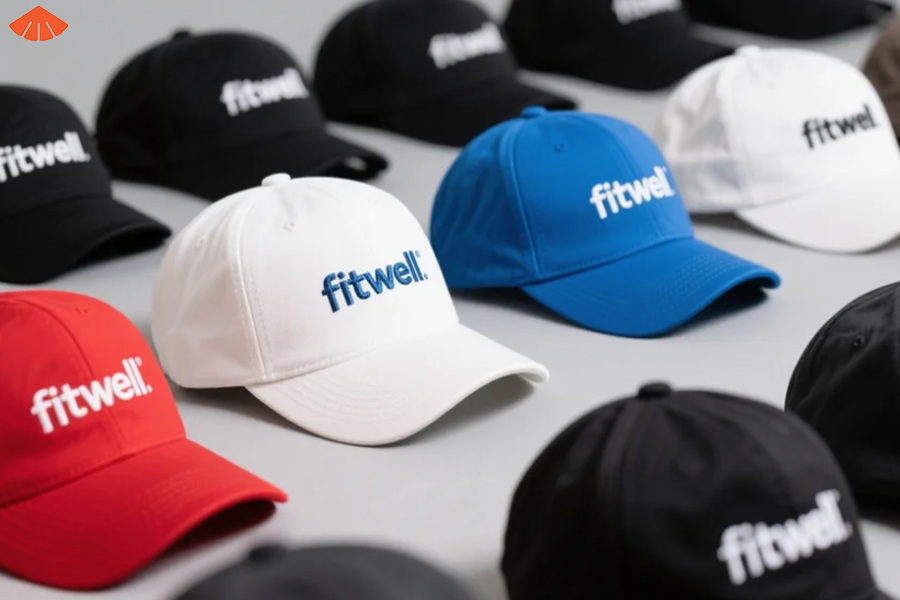
3. Commercial Value Analysis for B2B Buyers & Business Owners
Beyond product performance, we analyzed the business impact of choosing between soft and hard front caps for different retail models and industries.
3.1 Profit Margin & Inventory Turnover Comparison
We collected sales data from 6 retail businesses over a 6-month period to compare the commercial performance of both cap styles.
Key metrics comparison:
Average selling price: hard front caps are 28% higher than soft dad hats
Gross profit margin: hard front caps average 52%, soft hats average 41%
Inventory turnover rate: hard front caps turn over 1.7x faster than soft hats
Return rate: hard front caps have a 3.2% return rate, compared to 7.8% for soft hats
A sports apparel chain store we surveyed reported: "We switched 60% of our custom cap inventory to hard front styles last quarter. Not only did average transaction value increase, but return rates dropped by more than half because customers know exactly what they're getting shape-wise."
The hard front cotton cap custom logo also offers more premium positioning opportunities, making it ideal for limited edition releases and brand collaborations.
3.2 Customization Flexibility for Different Business Scenarios
Both cap styles support custom logo&color options, but their application scenarios vary significantly based on business type.
Best use cases for hard front caps:
Streetwear retail shop: limited edition drops, brand collaborations, signature collections
Sports apparel chain store: team merchandise, fan gear, athletic event souvenirs
Corporate branding: employee uniforms, client gifts, trade show giveaways
Souvenir retail store: premium tourist keepsakes, city landmark designs
Best use cases for soft top dad hats:
Casual apparel brands: everyday wear, relaxed lifestyle collections
Budget-friendly promotions: large event giveaways, low-cost marketing items
Summer outdoor brands: lightweight, breathable headwear for hot weather
The custom hard top baseball cap also supports more customization details, such as custom underbrim prints, woven labels, and premium closure options, allowing businesses to create truly unique products.
4. Sourcing Guide: How to Choose the Right Cap for Your Business
Based on our test results and industry experience, we've created a step-by-step guide to help you make the right sourcing decision for your business.
4.1 Key Factors to Evaluate Before Placing Bulk Orders
Before committing to a large order, consider these 5 critical factors:
Target customer profile: If your customers prioritize style and structured silhouette, hard front caps are the better choice. For casual, comfort-focused buyers, soft hats may work.
Price point strategy: Hard front caps support higher price points and better margins, while soft hats are better for budget-friendly lines.
Logo complexity: For detailed, high-density embroidery, always choose hard front panels to ensure quality.
Inventory budget: Hard front caps have slightly higher unit costs, but faster turnover means lower holding costs long-term.
Brand positioning: Premium brands should opt for hard front styles, while casual, laid-back brands can use soft dad hats.
We recommend ordering sample packs with both styles before placing bulk orders. Test them with your target customers to get direct feedback before making a large investment.
Interested in custom cap solutions? Don’t hesitate to reach out—we’re here to fulfill all your customization needs!
Follow & Message Us:
Facebook:https://www.facebook.com/fitwell.li
Instagram: www.instagram.com/fitwellcustomhats.dds/
LinkedIn:http://www.linkedin.com/in/fitwellcustom-hats-38a2b9b0/
Pinterest: http://www.pinterest.com/FitwellCustomHatsdds/
YouTube: http://www.youtube.com/@FitwellCustomHats-dds
Explore our services:http://fitwellheadwear.en.alibaba.com
WhatsApp us now: https://psce.pw/86jwa3